Money vs Greed in Hollywood: Is the TV Industry Heading Toward Collapse?
April 8, 2026
The Awe and Terror of Space: How Games Capture Cosmic Isolation
April 9, 2026
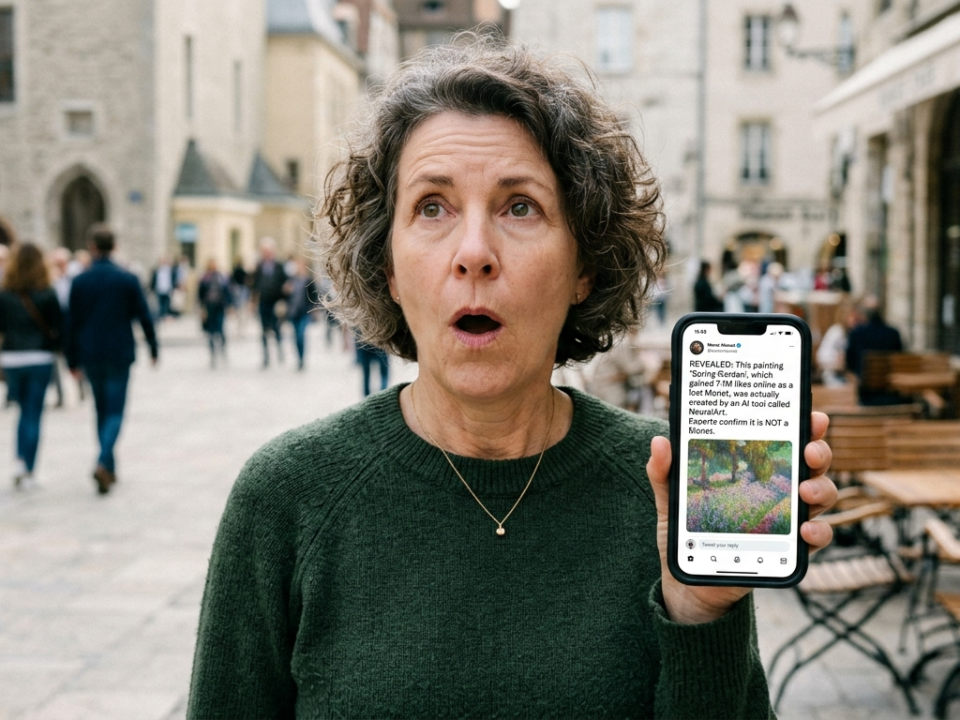
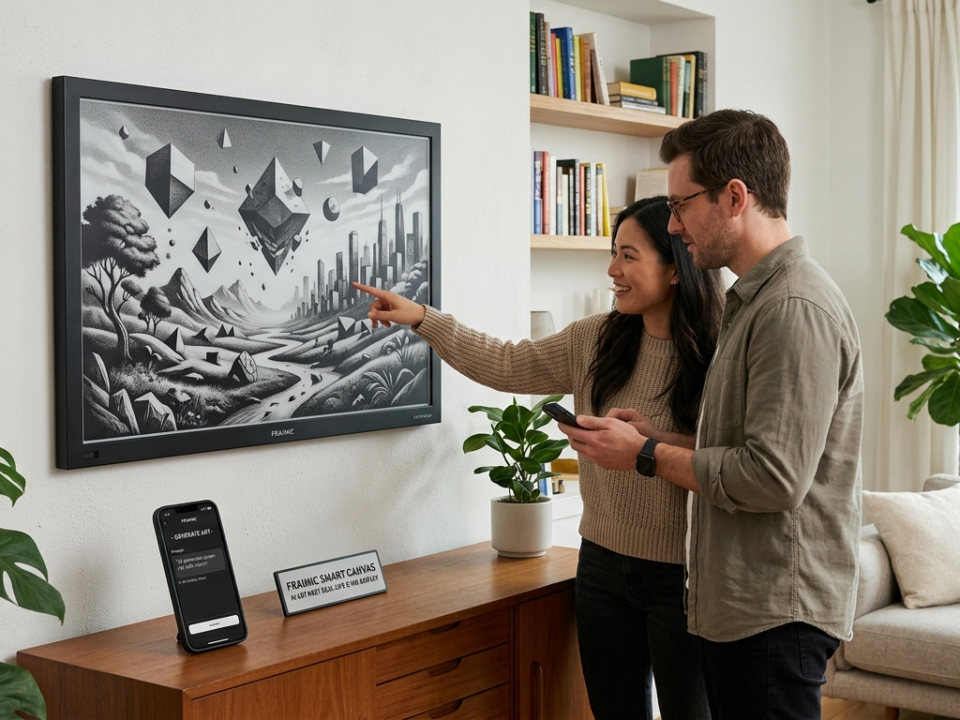
The Real Impact of AI Art on the Creative Industry
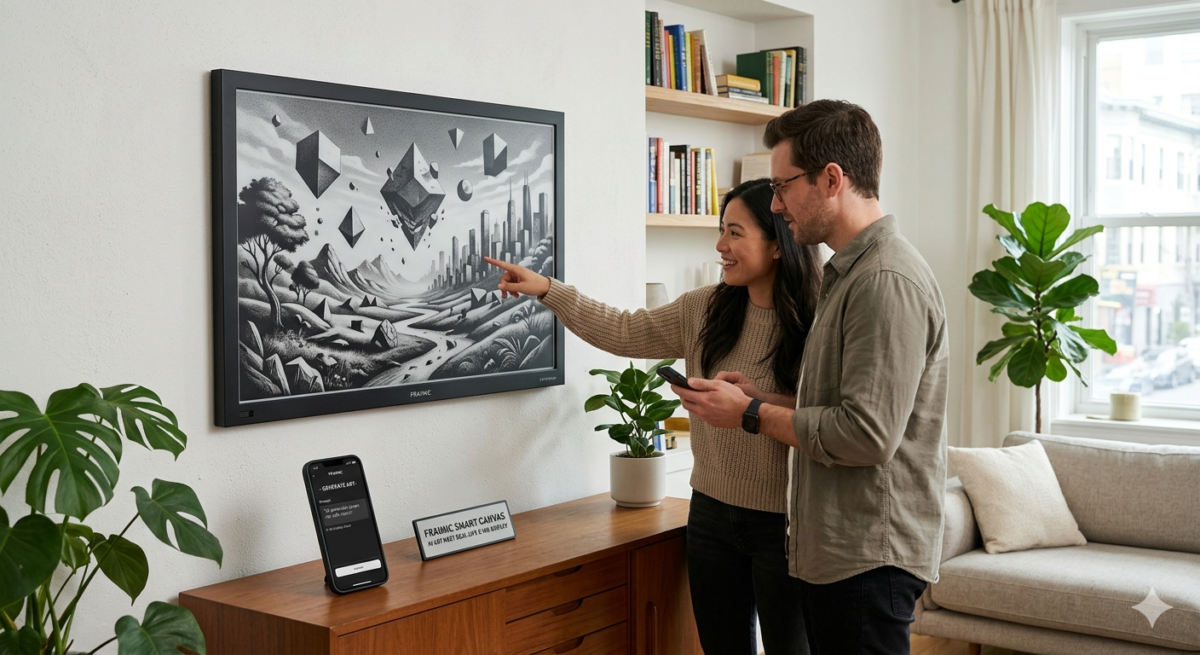
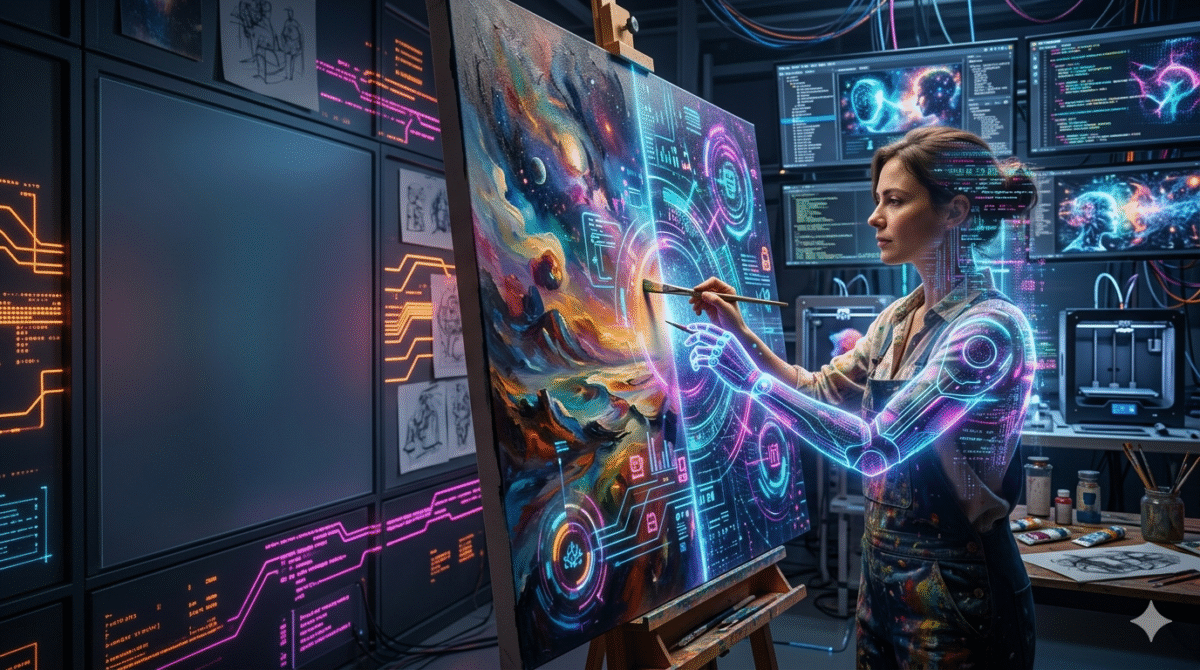
Artificial intelligence (AI) is no longer just a futuristic concept—it has firmly entered the creative industry, challenging the ways art is conceived, produced, and distributed. From AI-generated paintings and music to automated video editing, the presence of artificial intelligence in creative industries is transforming both the tools artists use and the broader economic landscape. But what is the real impact of AI art on the creative industry, and how is it reshaping human creativity itself?
Understanding AI’s Role in the Arts
AI tools are capable of generating complex visuals, composing music, and even writing scripts. This has led to a surge in “how does AI impact the creative process in art?” discussions among artists, critics, and technologists alike. Some of the key ways AI is influencing the arts include:
- Speed and Efficiency: AI can complete repetitive or time-intensive tasks, such as coloring, 3D modeling, or pattern generation, much faster than humans.
- New Aesthetic Possibilities: Artists can explore styles and combinations they might never have envisioned, leading to experimental forms of expression.
- Democratization of Art: AI lowers the barrier to entry for creative work, allowing non-experts to produce high-quality images, music, or videos.
However, these benefits come with critical questions about originality, authorship, and the long-term effects on human creativity.
The Rise of AI in Content Creation
The integration of AI into content creation has accelerated rapidly. AI platforms now assist in creating illustrations, generating video content, and even producing written articles. This trend is often referred to as “the rise of AI in content creation,” and it is reshaping the professional landscape:
- Commercial Use: Brands and media companies use AI-generated content to reduce costs and speed up production cycles.
- Creative Assistance: Professional artists and writers adopt AI as a collaborative tool to enhance their work rather than replace it.
- Global Collaboration: AI allows creators to merge techniques from different cultures and disciplines seamlessly.
As AI becomes more sophisticated, its role is evolving from a tool to an active participant in the creative process.
Controversy: AI and the Death of Creativity?
Critics often argue that AI could signal the “death of creativity.” The concern stems from the idea that automated systems, while technically impressive, lack human intuition, emotion, and cultural understanding. Key concerns include:
- Loss of Originality: AI works are generated from existing datasets, which may limit true innovation.
- Intellectual Property Issues: Who owns AI-generated art—the programmer, the AI user, or the AI itself?
- Job Displacement: Designers, illustrators, and writers fear that AI could replace human roles in certain industries.
Despite these fears, many experts argue that AI will not eliminate creativity but instead redefine it, expanding the definition of what it means to create.
How AI Is Changing the Creative Process
“The impact of artificial intelligence on the arts” is visible in the evolution of workflows:
- Ideation: AI can suggest themes, styles, and compositions based on patterns in existing work.
- Execution: Repetitive or complex tasks, such as rendering, coloring, or mixing audio tracks, can be automated.
- Refinement: AI can analyze audience reactions to optimize content for engagement, offering data-driven insights previously unavailable to creators.
Artists who integrate AI into their process often report increased productivity and novel creative avenues. Rather than replacing humans, AI can function as a collaborative partner.
Economic and Industry Implications
AI is reshaping the economics of creative industries:
- Lower Production Costs: Companies can generate content faster and cheaper, potentially reducing financial barriers to launching creative projects.
- Market Saturation: Increased content generation may lead to an oversupply of visual, audio, and written works.
- Value Shifts: Traditional human-created art may gain prestige and perceived authenticity, while AI-generated content may be valued differently.
The industry must navigate these shifts carefully to avoid devaluing human creativity while leveraging AI’s potential.
Opportunities for Artists
AI offers numerous opportunities for creators willing to adapt:
- Experimentation: AI can inspire new forms of art, music, and storytelling.
- Accessibility: Emerging artists can produce high-quality work without expensive tools or training.
- Collaboration: Artists can co-create with AI, blending human intuition with algorithmic capabilities.
By embracing AI as a tool rather than a threat, the creative industry can explore unprecedented possibilities.
Ethical Considerations
With AI’s rise, ethical questions become more pressing:
- Bias in AI Datasets: AI reflects the biases present in its training data, which can perpetuate stereotypes or exclude certain perspectives.
- Authenticity: How much of an AI-generated work can be considered genuinely human?
- Cultural Impact: Mass-produced AI content could homogenize aesthetics and reduce cultural diversity.
Addressing these concerns is essential for sustainable integration of AI into the arts.
The Future of AI in Creativity
AI is unlikely to replace human artists entirely. Instead, its influence will continue to reshape the boundaries of creative work. The key trends include:
- Hybrid Workflows: Human artists using AI as collaborators rather than competitors.
- Personalized Art: AI enables hyper-personalized content tailored to individual preferences.
- Expanded Genres: New artistic forms and styles, blending algorithmic output with human emotion, will emerge.
Ultimately, the future of the creative industry may not be defined by AI versus humans, but by AI with humans.
Conclusion
The real impact of AI art on the creative industry is profound yet nuanced. While concerns about the death of creativity and job displacement are valid, AI also offers unprecedented opportunities for experimentation, efficiency, and collaboration. Rather than signaling an end, AI may mark a transformation—a new era where human creativity is enhanced, reimagined, and challenged in exciting ways.
The challenge for artists and industry leaders will be to harness AI responsibly, preserving the emotional and cultural richness that only humans can bring, while embracing the possibilities that artificial intelligence provides.
FAQs
Q1: How does AI impact the creative process in art?
AI can assist in ideation, execution, and refinement, helping artists work faster and explore new creative directions.
Q2: Is AI replacing human artists?
No, AI is primarily a tool that complements human creativity, though it may shift industry workflows.
Q3: What are the economic effects of AI on creative industries?
AI lowers production costs, enables mass content creation, and may shift the perceived value of human-made versus AI-generated art.
Q4: What ethical issues does AI raise in art?
Concerns include bias in datasets, authenticity of work, intellectual property, and potential cultural homogenization.
🚀 Transform Your Brand with TechInDesigns
Your brand deserves a visual identity that speaks volumes. At TechInDesigns, we craft stunning custom logo designs, branding assets, and creative visuals that help your business stand out and connect with your audience at first glance. Our expert designers tailor every concept to reflect your vision and boost your brand’s impact online and offline.
📩 Ready to Elevate Your Brand Identity?
Connect with TechInDesigns today and bring your ideas to life with powerful logo design, strategic branding, and eye-catching graphics that drive recognition and growth