Uber Evaluating Takeover of Delivery Hero: Bloomberg Report
May 23, 2026
Oil Prices Sink on Signs of Possible U.S.-Iran Deal
May 25, 2026
Introduction
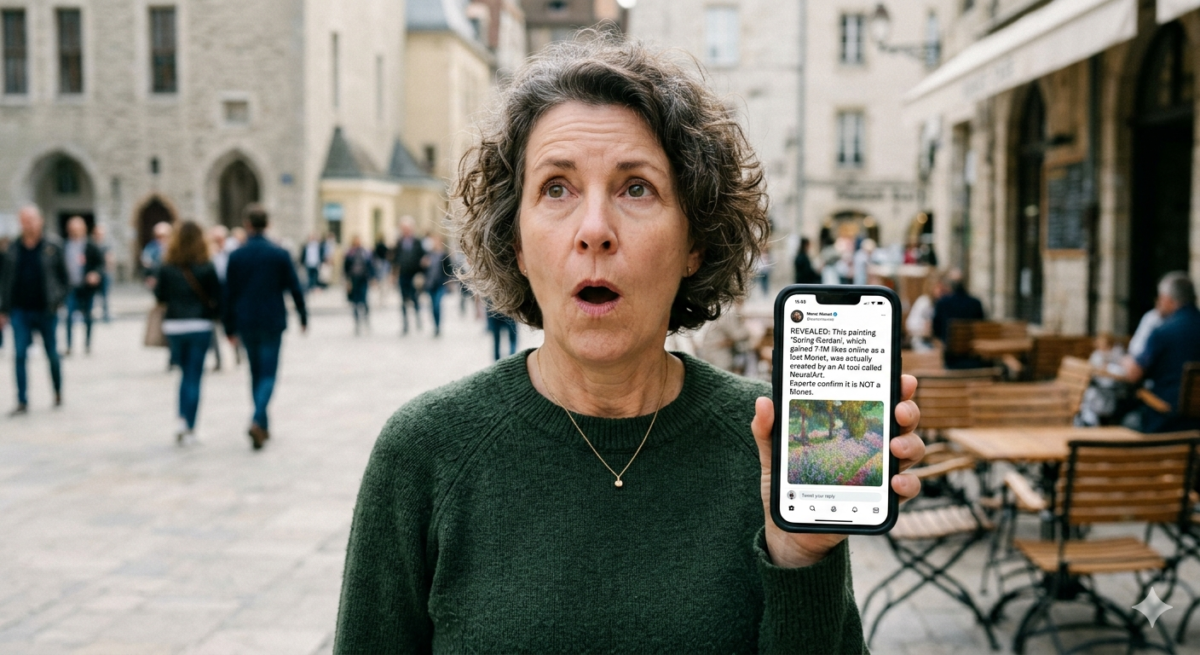
Artificial intelligence has changed how digital art is created, shared, and perceived online. Recently, an AI-generated image inspired by the style of Claude Monet spread rapidly across social media and reportedly fooled millions of viewers into believing it was a real historical artwork. The incident highlights how realistic AI-generated visuals have become and raises important questions about authenticity in the digital art world.
The viral Monet-style painting quickly gained attention across platforms, attracting millions of views and sparking debate about whether people can still distinguish between real art and AI-generated creations.
How the AI Monet Painting Went Viral
The AI-generated Monet-style artwork gained traction mainly due to its highly realistic impressionist style. The image closely resembled traditional Monet paintings, featuring soft brush strokes, natural lighting, and dreamy landscapes that are characteristic of the Impressionist movement.
As the image circulated online, many users assumed it was a lesser-known or newly discovered Monet painting. Social media engagement accelerated its reach, with shares, reposts, and discussions pushing the content to millions of viewers.
This rapid spread shows how AI-generated content can blend seamlessly into historical and artistic contexts when presented without clear labeling.
Why People Were Fooled So Easily
One of the main reasons the image fooled so many people is the increasing quality of AI-generated art tools. Modern image generation models can replicate artistic styles with high accuracy, including texture, lighting, and composition.
In this case, the Monet-style output matched common expectations of Impressionist paintings so closely that even art enthusiasts found it difficult to identify it as AI-generated. The lack of obvious digital artifacts or distortions further contributed to the confusion.
Additionally, the authority bias played a role, as many viewers assumed that anything resembling Monet must be historically authentic.
The Role of AI in Modern Art Creation
AI tools are now widely used for generating artistic content, experimenting with styles, and exploring monetization opportunities. Artists and creators are increasingly using AI image generators to produce concept art, digital illustrations, and commercial visuals.
However, this also raises concerns about originality, copyright, and the value of human-created artwork. While AI can mimic artistic styles, debates continue about whether such works should be considered original art or algorithmic reproductions.
The Monet incident demonstrates how easily AI-generated art can enter mainstream visual culture without clear identification.
Monetization and AI Art Opportunities
The rise of AI-generated art has also opened new opportunities for monetization. Digital creators are now exploring ways to earn from AI-generated images through print sales, NFTs, stock image platforms, and digital commissions.
However, ethical questions remain about ownership and transparency. If AI can replicate the style of historical artists like Monet, it becomes important to clearly label such works to avoid misleading audiences.
The incident highlights both the commercial potential and ethical risks of AI-driven creativity.
Impact on Art and Digital Trust
The viral Monet painting incident reflects a broader challenge facing the digital world: trust in visual content. As AI continues to improve, distinguishing between real and synthetic images will become increasingly difficult.
This raises concerns not only for art but also for journalism, education, and online media. Platforms may need stronger verification systems and labeling practices to ensure transparency.
Conclusion
The AI-generated Monet painting that fooled millions demonstrates how powerful modern generative tools have become. While AI offers exciting possibilities for creativity and monetization, it also challenges traditional ideas of authenticity and trust.
As technology continues to evolve, society will need to find a balance between embracing AI creativity and maintaining clear standards for transparency in digital content.
FAQs
1. How did the AI Monet painting fool people?
Because it closely matched Monet’s impressionist style and was widely shared without clear labeling.
2. Was the painting actually by Claude Monet?
No, it was generated using artificial intelligence.
3. Why is AI art becoming so realistic?
Modern AI models are trained on large datasets of artwork, allowing them to replicate styles very accurately.
4. Can AI-generated art be sold?
Yes, many creators sell AI art through digital platforms, prints, and NFTs.
5. What is the main concern about AI art?
The biggest concerns are authenticity, copyright issues, and misleading audiences.
🚀 Transform Your Brand with TechInDesigns
Your brand deserves a visual identity that speaks volumes. At TechInDesigns, we craft stunning custom logo designs, branding assets, and creative visuals that help your business stand out and connect with your audience at first glance. Our expert designers tailor every concept to reflect your vision and boost your brand’s impact online and offline.
📩 Ready to Elevate Your Brand Identity?
Connect with TechInDesigns today and bring your ideas to life with powerful logo design, strategic branding, and eye-catching graphics that drive recognition and growth