Morgan Stanley Says Sell Asian Stock Rally on Iran War Impact
March 19, 2026
Epic Games Cuts About 1,000 Jobs Across Company Amid ‘Fortnite’ Slump – Full-Time, Part-Time, Contract & Internship
March 24, 2026
LaGuardia Pilots Raised Safety Alarms Months Before Deadly Runway Crash
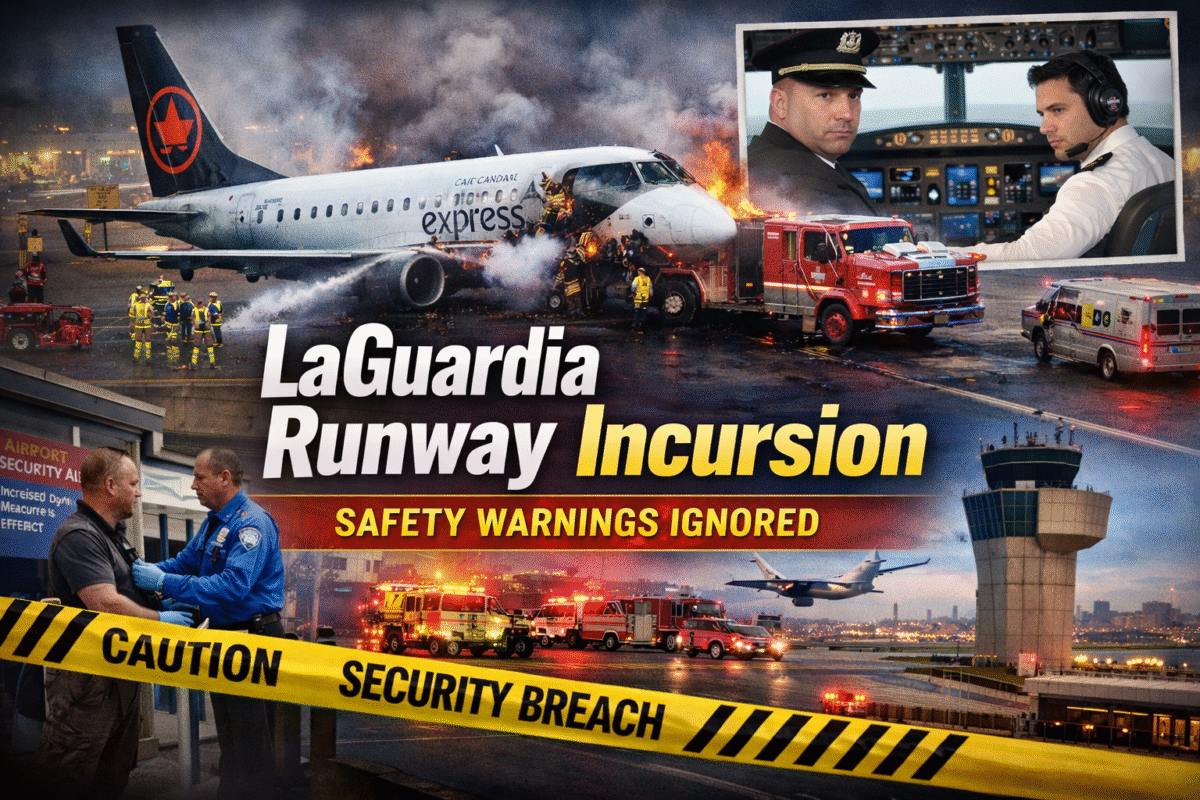
The deadly runway accident at LaGuardia Airport in New York on March 22, 2026, has raised serious concerns about aviation safety, airport management, and regulatory oversight. The crash involved Air Canada Express Flight 8646, which collided with a fire truck on the tarmac during landing. Both pilots, Mackenzie Gunther and Antoine Forest, tragically lost their lives, while more than 40 passengers and crew members sustained injuries ranging from minor to severe.
Investigations have revealed that this incident was not entirely unforeseen. In fact, months before the crash, several pilots had formally raised alarms about operational hazards and safety concerns at LaGuardia, suggesting that a serious accident could occur if the issues were not addressed.
Pilots Raised Concerns Months in Advance
Multiple pilots submitted reports to the Aviation Safety Reporting System (ASRS), highlighting risks that included overcrowded runways, confusing air traffic control instructions, and near-miss incidents. One pilot wrote:
“Please take action. LaGuardia is becoming increasingly congested. Controllers are reaching their operational limits. During poor weather, the situation can become very dangerous.”
Other reports emphasized that emergency protocols were not always clear and that runway markings and lighting were sometimes inconsistent, especially during maintenance work or high-traffic periods.
Types of Safety Issues Highlighted
The warnings raised by pilots fell into several categories:
1. Air Traffic Control and Communication Issues
Pilots noted that instructions from air traffic control were sometimes ambiguous or delayed. This made it difficult to coordinate landings and take-offs, especially when multiple aircraft were operating in close proximity.
2. Runway Lighting and Maintenance Problems
Several reports indicated that runway lights were occasionally nonfunctional or dimmed during maintenance periods, creating hazardous conditions during low-visibility operations.
3. Near-Miss Incidents
Pilots reported a series of near-miss situations where aircraft came dangerously close to each other during taxiing or landing. These incidents highlighted the urgent need for better traffic monitoring and stricter safety protocols.
4. Security Concerns
Some pilots expressed concern over airport security breaches, including unauthorized vehicles on tarmacs and restricted areas that were not properly monitored. These issues, they warned, could escalate to catastrophic incidents.
Immediate Aftermath of the Crash
Following the March 22 incident, airport authorities temporarily closed the affected runway and conducted a full review of all safety systems. Air traffic operations were rerouted to alternate runways to prevent further risk. Emergency response protocols were activated immediately, ensuring rapid medical care for injured passengers.
The Federal Aviation Administration (FAA) has launched a comprehensive investigation into the crash. Preliminary statements indicate that a combination of operational and human factors likely contributed to the collision. However, the previously submitted safety reports by pilots are now under scrutiny to determine whether the incident could have been prevented.
Impact on LaGuardia Operations
In response to the crash, LaGuardia Airport increased security measures and reinforced safety protocols:
- Enhanced monitoring of runways and tarmac activity.
- Increased staffing for air traffic controllers during peak hours.
- Mandatory safety briefings for all pilots operating at LaGuardia.
- Implementation of updated emergency response procedures to handle similar incidents in the future.
The FAA has also called for a nationwide review of airport safety reporting systems to ensure that pilot warnings are acted upon more efficiently.
Pilots’ Perspective on Safety Culture
Aviation experts have noted that LaGuardia pilots had long been concerned about what they described as a “reactive” safety culture. Reports suggest that while pilots’ warnings were recorded, follow-up actions were often slow or insufficient. Many industry analysts argue that the accident underscores the importance of proactive measures rather than waiting for disasters to occur.
One pilot who requested anonymity commented:
“We’ve been raising concerns for months. The airport is busy, but safety should never be compromised for efficiency. These incidents are preventable if management listens to frontline pilots.”
Lessons Learned
The crash serves as a stark reminder that aviation safety relies on multiple layers of oversight, clear communication, and timely action. Lessons highlighted by aviation authorities and safety analysts include:
- Better Response to Pilot Reports: Safety reporting systems must not only collect information but also ensure timely review and corrective measures.
- Upgraded Runway and Lighting Systems: Adequate maintenance and functional lighting are critical for safe operations, especially during nighttime or poor visibility.
- Enhanced Security Monitoring: Unauthorized access to critical areas of the airport should be minimized to prevent both accidents and security breaches.
- Continued Training and Awareness: Pilots and controllers must participate in regular drills to prepare for emergency scenarios.
The FAA has emphasized that preventing similar incidents in the future requires close cooperation between airport authorities, airlines, pilots, and regulators.
Frequently Asked Questions (FAQs)
Q1: What caused the LaGuardia runway crash?
A1: Preliminary reports suggest a combination of runway congestion, human error, and communication issues between pilots and air traffic controllers. Full investigations are ongoing.
Q2: Were the pilots aware of the risks before the crash?
A2: Yes. Months before the accident, pilots submitted safety reports highlighting overcrowding, near-miss incidents, and inconsistent air traffic instructions.
Q3: How many people were injured in the crash?
A3: More than 40 passengers and crew members sustained injuries. Two pilots were killed in the accident.
Q4: What actions has LaGuardia Airport taken since the crash?
A4: The airport has increased runway monitoring, improved air traffic control staffing, reinforced security protocols, and implemented enhanced emergency response procedures.
Q5: Will this incident affect future flight operations at LaGuardia?
A5: Temporary changes to runway operations occurred immediately after the crash. Long-term measures may include stricter safety protocols, more pilot training, and ongoing infrastructure improvements.
🚀 Transform Your Brand with TechInDesigns
Your brand deserves a visual identity that speaks volumes. At TechInDesigns, we craft stunning custom logo designs, branding assets, and creative visuals that help your business stand out and connect with your audience at first glance. Our expert designers tailor every concept to reflect your vision and boost your brand’s impact online and offline.
📩 Ready to Elevate Your Brand Identity?
Connect with TechInDesigns today and bring your ideas to life with powerful logo design, strategic branding, and eye-catching graphics that drive recognition and growth