Next-Gen Gaming Laptops Will Have Better Screens and Chips—and Cost Way More
March 19, 2026
LaGuardia Runway Incursion: Pilots Warned of Aircraft Emergency & Security Issues
March 24, 2026
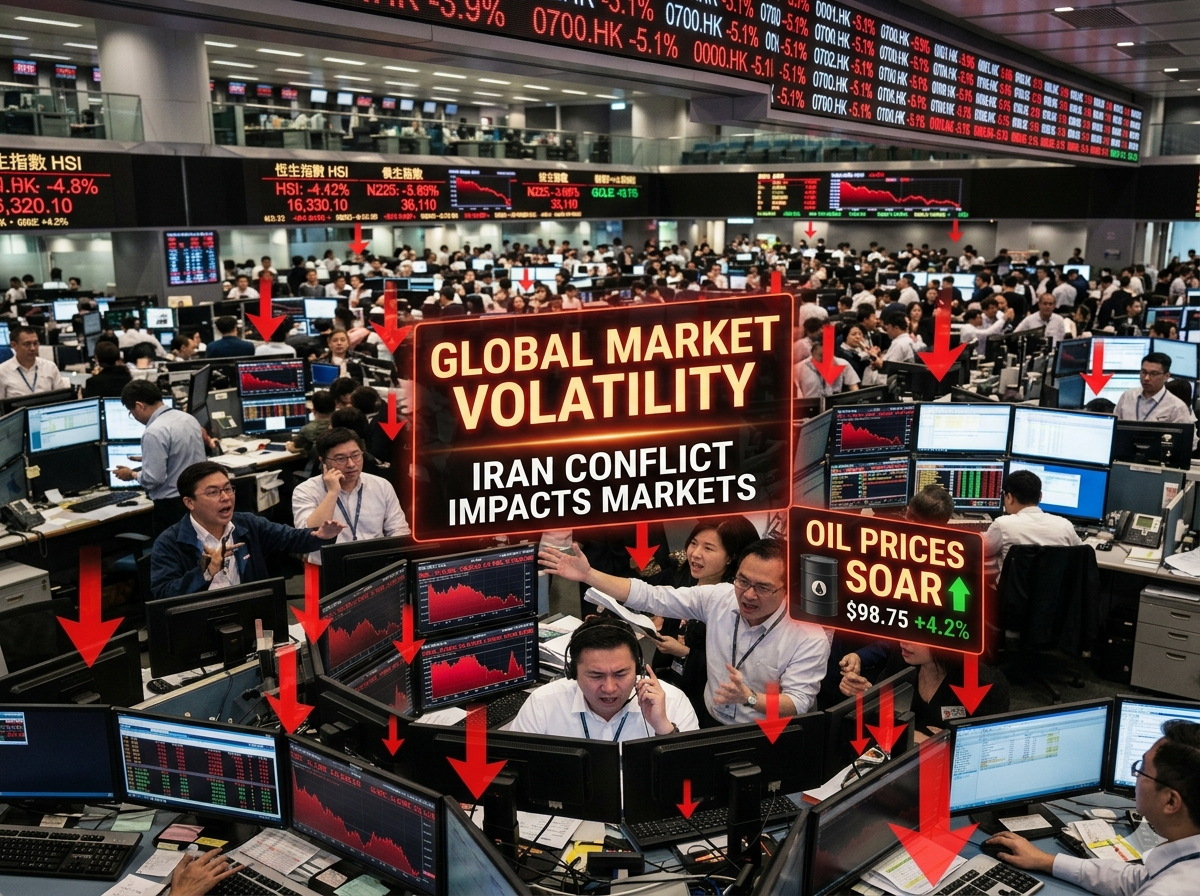
Morgan Stanley Says Sell Asian Stock Rally on Iran War Impact
Asian stock markets are facing renewed turbulence as geopolitical tensions surrounding Iran continue to escalate. In its latest analysis, Morgan Stanley has advised investors to be cautious and consider selling the recent rally in Asian equities. While markets had recently shown resilience, the firm warns that the gains may be fragile in the face of rising energy prices, supply chain disruptions, and broader global economic uncertainty.
The warning comes amid fears that the ongoing conflict could affect oil exports, increase inflationary pressures, and slow growth in energy-dependent economies, particularly across East and Southeast Asia. Morgan Stanley emphasizes that while some sectors may appear strong in the short term, sustained geopolitical risk can quickly reverse recent gains.
Why Asian Stocks Are Vulnerable
Asian economies are particularly exposed to global energy price shocks. Many countries in the region rely heavily on imported oil and natural gas, and even modest disruptions in supply can ripple across industries, raising costs for manufacturers and consumers alike.
The Iran conflict has already contributed to volatility in global oil markets, causing crude prices to spike. Morgan Stanley’s analysts note that such price surges can dampen corporate profits, reduce consumer spending, and increase market uncertainty, all of which place downward pressure on equities.
In addition to energy concerns, Asian exporters could see demand weaken if global economic growth slows as a result of geopolitical instability. Sectors like technology, automotive, and shipping, which are highly sensitive to international trade and energy costs, are particularly at risk.
Morgan Stanley’s Investment Guidance
To help investors navigate the current environment, Morgan Stanley recommends a cautious, risk-managed approach:
- Reduce exposure to volatile or cyclical stocks in Asian markets, particularly those most sensitive to oil prices and trade disruptions.
- Shift focus toward defensive sectors such as consumer staples, healthcare, and utilities, which tend to perform better during periods of uncertainty.
- Consider safe-haven investments including gold, U.S. Treasuries, and select large-cap stocks with strong fundamentals.
The firm has also raised its price target for a major Chinese tech company, describing it as a “safe haven” amid current market volatility. This highlights that while the broad market faces risk, selective opportunities remain for investors willing to focus on resilient businesses.
Impact on Global Markets
The ripple effects of the Iran conflict extend far beyond Asia. Rising energy prices can increase production and transportation costs globally, impacting inflation and economic growth. Volatility in Asian markets can also influence investor sentiment worldwide, as many global funds hold significant exposure to emerging markets.
Equity markets may continue to experience sharp swings until geopolitical conditions stabilize and oil markets return to a more predictable balance. Investors with long-term portfolios are encouraged to monitor developments closely and maintain diversified holdings to mitigate risk.
Morgan Stanley’s Role and Influence
As a major global financial institution, Morgan Stanley’s analysis and guidance significantly influence investor behavior. Its commentary on the Iran conflict, energy markets, and Asian equities is closely watched by institutional investors, hedge funds, and individual traders alike.
In addition to global markets, Morgan Stanley has a presence in emerging markets, including advisory services in Pakistan. Insights from the firm often shape regional capital flows, investment strategies, and risk management approaches, particularly during periods of geopolitical instability.
FAQs
Q1: Why is Morgan Stanley recommending selling Asian stocks?
Due to the Iran conflict, energy price spikes, and supply chain risks, the recent Asian stock rally may not be sustainable, prompting caution.
Q2: Which sectors are most at risk in Asia?
Energy-dependent sectors, exporters, technology, automotive, and shipping industries are particularly vulnerable to geopolitical and energy market disruptions.
Q3: Are there sectors that remain safe?
Yes. Defensive sectors like consumer staples, healthcare, utilities, and some large-cap technology companies are generally more resilient.
Q4: How does the Iran conflict affect global markets?
Rising oil prices and geopolitical uncertainty can slow global growth, increase inflation, and affect investor confidence worldwide.
Q5: What investment strategies are recommended in this environment?
Diversify holdings, focus on defensive sectors, consider safe-haven assets like gold or government bonds, and monitor geopolitical developments closely.
Q6: Can investors still profit despite market volatility?
Yes. By selecting resilient stocks, investing in safe-haven assets, and avoiding overexposure to high-risk sectors, investors can navigate volatility while preserving capital.
Transform Your Brand with TechInDesigns
Your brand deserves a visual identity that speaks volumes. At TechInDesigns, we craft stunning custom logo designs, branding assets, and creative visuals that help your business stand out and connect with your audience at first glance. Our expert designers tailor every concept to reflect your vision and boost your brand’s impact online and offline.
Ready to Elevate Your Brand Identity?
Connect with TechInDesigns today and bring your ideas to life with powerful logo design, strategic branding, and eye-catching graphics that drive recognition and growth