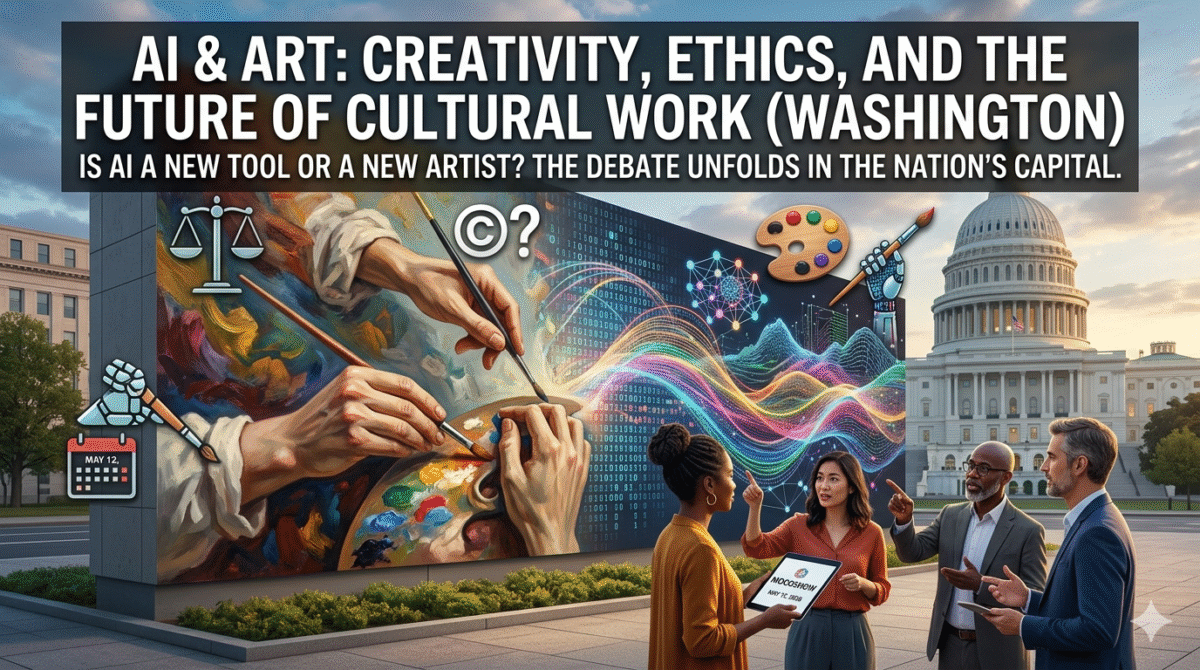
AI & Art: Ethics and the Future of Cultural Work in DC
April 27, 2026
Logitech G512 X Review: The New Standard for Hybrid Keyboards
April 28, 2026
Creative Solutions for Creatives: Trends Powering the Creator Economy
The creator economy has transitioned from a niche hobbyist movement into a multi-billion-dollar global industry. What once began as simple video sharing and blog posting has evolved into a sophisticated ecosystem of entrepreneurs, small business owners, and digital innovators. As we move through 2026, the tools and financial solutions supporting this sector are becoming just as creative as the content itself.
From specialized fintech platforms to AI-driven workflow automation, the infrastructure of the creator economy is being rebuilt to address the unique challenges of digital entrepreneurship. This deep dive explores the core trends and creative solutions currently powering the next generation of cultural work.
1. The Financial Evolution: Fintech for the Fragmented Income
One of the most significant hurdles for creators has historically been financial stability. Traditional banking systems are often poorly equipped to handle the “lumpy” and fragmented income streams of a digital creator, who might receive payments from five different social platforms, three affiliate networks, and multiple brand sponsors simultaneously.
Creative Solutions in Finance:
- Instant Payouts: Emerging payment rails now allow creators to access their earnings immediately rather than waiting for the standard 30-to-90-day net cycles typical of brand deals. This liquidity is vital for reinvesting in production gear or marketing.
- Creator-Centric Credit: New credit models are moving away from traditional FICO scores, which often penalize freelancers. Instead, these platforms analyze a creator’s subscriber growth, engagement rates, and historical platform earnings to determine creditworthiness.
- Unified Revenue Dashboards: Centralized tools now aggregate income from YouTube, TikTok, Patreon, and Shopify into a single view, providing the financial clarity needed to run a digital brand like a professional corporation.
2. AI as a Collaborative Partner, Not a Replacement
While there has been significant debate regarding AI’s role in art, the creator economy is increasingly viewing generative AI as a “creative lubricant.” For independent creators who lack the budget for a full production team, AI-powered solutions are filling the gap.
Trends in Creative Automation:
- The “Multiplexing” of Content: Creators are using AI to take a single long-form piece of content—such as a 30-minute podcast—and automatically generate dozens of optimized “shorts” for TikTok, Reels, and YouTube Shorts. This allows creators to maintain a presence across all platforms without burning out.
- AI Localization: To go global, creators are utilizing AI dubbing and translation tools that maintain their original voice and tone in multiple languages. This opens up massive new markets in regions that were previously inaccessible due to language barriers.
- Generative B-Roll and Assets: Instead of spending hours searching for stock footage, creators can now generate specific visual assets that match their unique aesthetic, ensuring that every piece of content feels cohesive and high-end.
3. Direct-to-Community: Beyond Ad Revenue
The “platform risk” associated with relying solely on ad revenue has driven a trend toward diversification. Creators are no longer just content makers; they are becoming product founders. The trend is shifting toward “Direct-to-Community” (D2C) models that prioritize deep engagement over broad reach.
New Monetization Paradigms:
- Digital Collectibles and Utility: Beyond the initial hype of NFTs, creators are finding sustainable ways to use digital tokens as “membership keys” for exclusive communities, early access to merchandise, or voting rights on future content topics.
- Micro-Sponsorships and Tipping: Solutions that facilitate small, friction-less payments from fans allow creators to monetize even a small but dedicated “1,000 true fans” audience, reducing the pressure to constantly chase viral growth.
- Proprietary Commerce: Rather than just selling branded t-shirts, creators are launching complex businesses—from skincare lines to specialized software—leveraging their audience as a built-in R&D department.
4. The Professionalization of “Creator Operations”
As creators grow, they face the “Founder’s Trap”—spending more time on emails, contracts, and taxes than on creating content. A wave of “Creator Ops” solutions is emerging to help creators scale their businesses without losing their sanity.
Specialized Operational Tools:
- Automated Contract Management: Specialized legal-tech tools tailored for the creator economy can now scan brand contracts for “red flag” clauses, such as perpetual usage rights or overly broad exclusivity, protecting creators’ long-term value.
- Virtual Assistant Marketplaces: Platforms that specifically vet and train executive assistants for the creator niche—people who understand the nuances of YouTube Studio, Discord moderation, and TikTok trends.
- Fractional CFOs and Tax Pros: Accounting services that specialize in the specific tax deductions available to creators, from home studio equipment to travel expenses for vlogging.
5. Mental Health and Sustainable Growth
The “always-on” nature of the creator economy has led to a significant burnout crisis. Creative solutions in 2026 are increasingly focusing on the human element of the industry.
The Wellness Trend:
- Content Scheduling “Guardrails”: Some platforms are introducing tools that help creators plan “off-seasons” by front-loading content scheduling, allowing for mental breaks without a total loss of algorithm momentum.
- Creator Peer Groups: Curated communities where creators can discuss the unique pressures of public life, helping to mitigate the isolation that often comes with independent digital work.
Frequently Asked Questions (FAQs)
1. What exactly is the “Creator Economy”?
The creator economy is a class of businesses built by over 200 million independent content creators, curators, and community builders—and the software and financial tools that support them.
2. How do creators manage inconsistent income?
Many use specialized fintech solutions that offer “income smoothing” or instant payouts. They also diversify their revenue across subscriptions, merchandise, brand deals, and platform-specific funds to reduce reliance on a single source.
3. Is AI going to take away jobs from creators?
The current trend suggests AI is acting as an assistant. It handles repetitive tasks like video editing, captioning, and data analysis, which actually allows creators to spend more time on the high-level “creative vision” that only humans can provide.
4. Can you make a living as a creator without millions of followers?
Yes. The “Micro-Creator” trend proves that a dedicated audience of 10,000 to 50,000 followers can provide a sustainable full-time income if the creator utilizes direct monetization strategies like memberships or specialized products.
5. What is “Platform Risk”?
Platform risk is the danger of building a business entirely on a third-party platform (like YouTube or Instagram). If the algorithm changes or the account is suspended, the creator loses their entire livelihood. This is why most creators now prioritize building their own email lists or private communities.
🚀 Transform Your Brand with TechInDesigns
Your brand deserves a visual identity that speaks volumes. At TechInDesigns, we craft stunning custom logo designs, branding assets, and creative visuals that help your business stand out and connect with your audience at first glance. Our expert designers tailor every concept to reflect your vision and boost your brand’s impact online and offline.
📩 Ready to Elevate Your Brand Identity?
Connect with TechInDesigns today and bring your ideas to life with powerful logo design, strategic branding, and eye-catching graphics that drive recognition and growth