Apple iPhone 18 Pro Leak 2026: Major Design & Performance Upgrades
April 2, 2026
NCsoft America CEO on MMORPG Future: Trends in Creative Industries
April 3, 2026
AI Art Is Human Art: Understanding Creativity in the Age of Artificial Intelligence
In recent years, artificial intelligence has made remarkable strides, influencing industries ranging from healthcare to entertainment. One area where AI’s impact is particularly visible is art. The rise of AI-generated art has sparked heated debates about creativity, originality, and the very definition of art itself. Many people ask: “Is AI art really art?” or “How is AI art different from human art?” To explore these questions, we need to understand both the capabilities of AI and the unique essence of human creativity.
What Is AI Art?
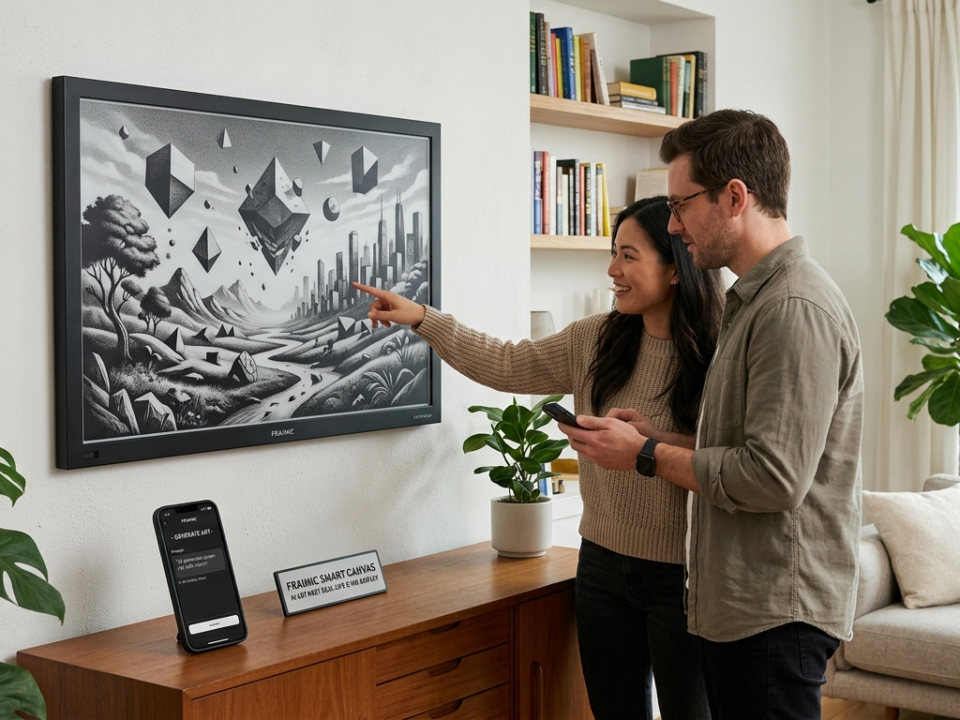
AI art refers to visual creations generated or assisted by artificial intelligence algorithms. These algorithms analyze massive datasets of existing artworks, learning patterns in style, color, composition, and technique. By using this knowledge, AI can generate new images that mimic artistic styles or create entirely novel visuals. AI art ranges from digital paintings and illustrations to 3D renderings and experimental abstract pieces.
While AI can mimic human styles with astonishing accuracy, the process behind its creation is fundamentally different. Human artists draw upon personal experiences, emotions, culture, and imagination. AI, on the other hand, produces work based on patterns and probabilities. This distinction raises questions about the nature of creativity itself.
How Is AI Art Different from Human Art?
The primary difference between AI art and human art lies in intention and consciousness. Human artists make deliberate choices based on emotion, story, and context. They imbue their work with meaning, often reflecting personal journeys or social commentary. AI lacks consciousness—it does not feel, imagine, or interpret. Its creations are the product of computational processes rather than lived experiences.
Despite this, AI art can surprise us with unexpected combinations of colors, shapes, and styles. It can experiment at speeds and scales impossible for human artists, offering new possibilities for artistic exploration. Many artists now use AI as a tool, blending human creativity with algorithmic assistance to push the boundaries of art.
Is AI Art Really Art?
The question “Is AI art really art?” is subjective and often depends on how one defines art. If art is seen purely as a product that evokes emotion or provokes thought, AI art can indeed qualify. A viewer might feel inspired, challenged, or moved by a piece generated by AI. However, if art is defined by human intention, personal expression, or the act of creation itself, AI art may fall short in comparison.
Interestingly, the debate mirrors past concerns about technological tools in art. Just as photography or digital design faced skepticism in their early days, AI art challenges traditional notions but does not necessarily diminish artistic value.
Why Is Human Art More Valuable Than AI Art?
Many argue that human art holds more value than AI art because of its personal and cultural significance. Human-created works reflect the artist’s journey, emotions, and unique perspective. They are often tied to specific moments in history, society, or personal life. This context gives human art a depth and meaning that AI-generated work struggles to replicate.
Human art also carries the weight of labor, effort, and risk. The mistakes, experimentation, and evolution of an artist over time contribute to the artwork’s story. While AI can produce stunning images quickly, it does so without struggle, reflection, or growth. This is why collectors, galleries, and enthusiasts often place a higher value on human-created pieces.
Can AI Art Be Better Than Human Art?
The phrase “AI art is better than human art” often appears in online discussions, particularly on platforms like Reddit. While AI can produce technically impressive or visually striking images, “better” is subjective. AI excels in precision, speed, and combining elements from multiple styles. It can inspire new ideas and complement human creativity.
However, art is not only about technical perfection. It is also about storytelling, context, and emotional connection. AI might create aesthetically flawless images, but it cannot convey lived experience or moral insight in the way a human artist can. Therefore, AI art can be impressive, but it does not necessarily replace human art—it exists alongside it as a new form of expression.
Art as Part of Human Life
Art has been an integral part of human life for millennia. From cave paintings to classical sculpture, from traditional calligraphy to modern abstract art, humans have used creativity to express emotions, record history, and explore philosophical ideas. Art allows us to communicate beyond words, making the intangible tangible.
In the era of artificial intelligence, this human need for expression remains unchanged. AI tools can augment artistic expression, but they do not replace the human experience that underlies all meaningful art. The act of creating, struggling, and interpreting is what makes art human at its core.
Art in the Era of Artificial Intelligence
Living in an age where AI can generate art in seconds challenges traditional definitions of creativity. Artists now face opportunities and dilemmas: Should they embrace AI as a tool or resist it to preserve human authenticity? Can collaboration between human and AI produce works that neither could achieve alone?
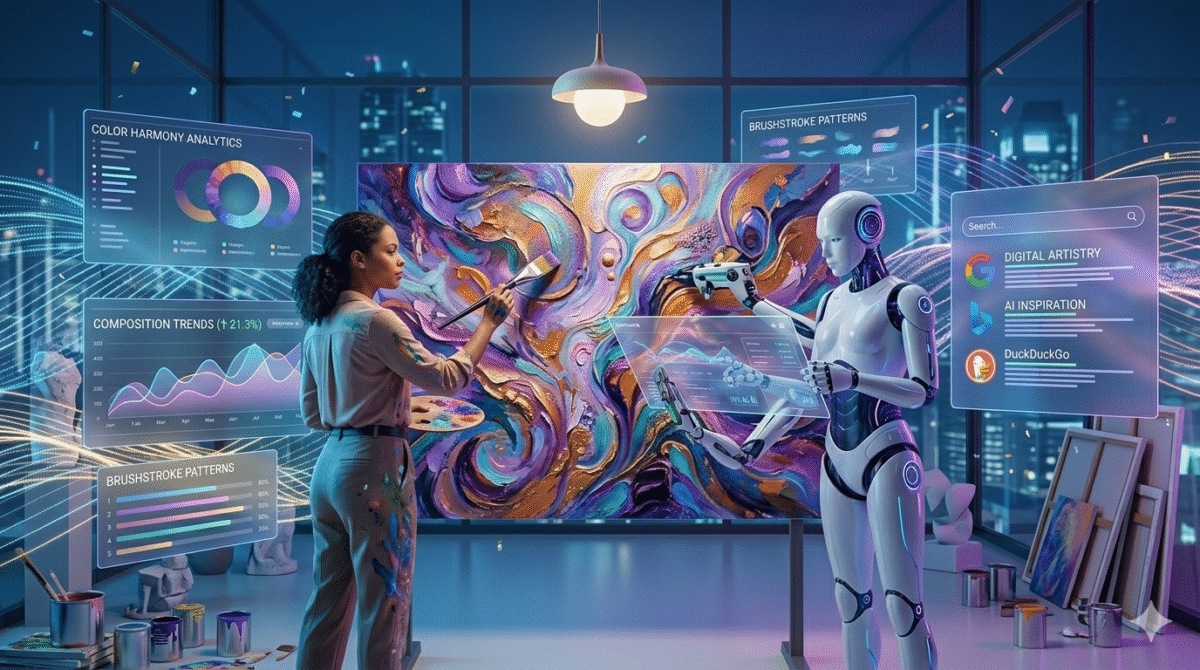
Many contemporary artists experiment with AI to expand their creative toolkit. They use AI to generate initial ideas, explore styles, or enhance their own work. This fusion creates a new paradigm where AI is not a competitor but a collaborator, emphasizing that AI art is human art when guided by human intention.
The Ethical and Cultural Questions
AI art also raises ethical and cultural questions. For example, some people ask: “Is AI art halal?” or permissible under Islamic principles. Opinions vary, but many scholars argue that art created without harmful intent or violation of moral principles can be acceptable. The debate also touches on copyright and originality, as AI often learns from existing human works.
Understanding the origins, intentions, and impact of AI art is crucial. It reminds us that while AI can generate beauty, the human element of context, meaning, and responsibility remains central to its value.
FAQs
Q1: What is AI artwork?
AI artwork is any visual creation generated or assisted by artificial intelligence algorithms. It can range from digital paintings to abstract designs.
Q2: How is AI art different from human art?
AI art is generated by algorithms analyzing patterns, while human art is created through intention, emotion, and personal experience.
Q3: Is AI art really art?
Yes, in terms of visual impact and emotional resonance, AI art can be considered art. However, it may lack the personal and cultural depth of human-created pieces.
Q4: Is AI art better than human art?
AI art can excel in speed, precision, and style experimentation. But “better” is subjective and depends on whether technical perfection or human experience is valued more.
Q5: Why is human art more valuable than AI art?
Human art carries context, emotion, cultural significance, and the artist’s journey, which contribute to its meaning and value.
Q6: Is AI art halal?
Opinions vary, but AI art created without harmful intent or moral violation can generally be considered permissible under Islamic principles.
🚀 Transform Your Brand with TechInDesigns
Your brand deserves a visual identity that speaks volumes. At TechInDesigns, we craft stunning custom logo designs, branding assets, and creative visuals that help your business stand out and connect with your audience at first glance. Our expert designers tailor every concept to reflect your vision and boost your brand’s impact online and offline.
📩 Ready to Elevate Your Brand Identity?
Connect with TechInDesigns today and bring your ideas to life with powerful logo design, strategic branding, and eye-catching graphics that drive recognition and growth