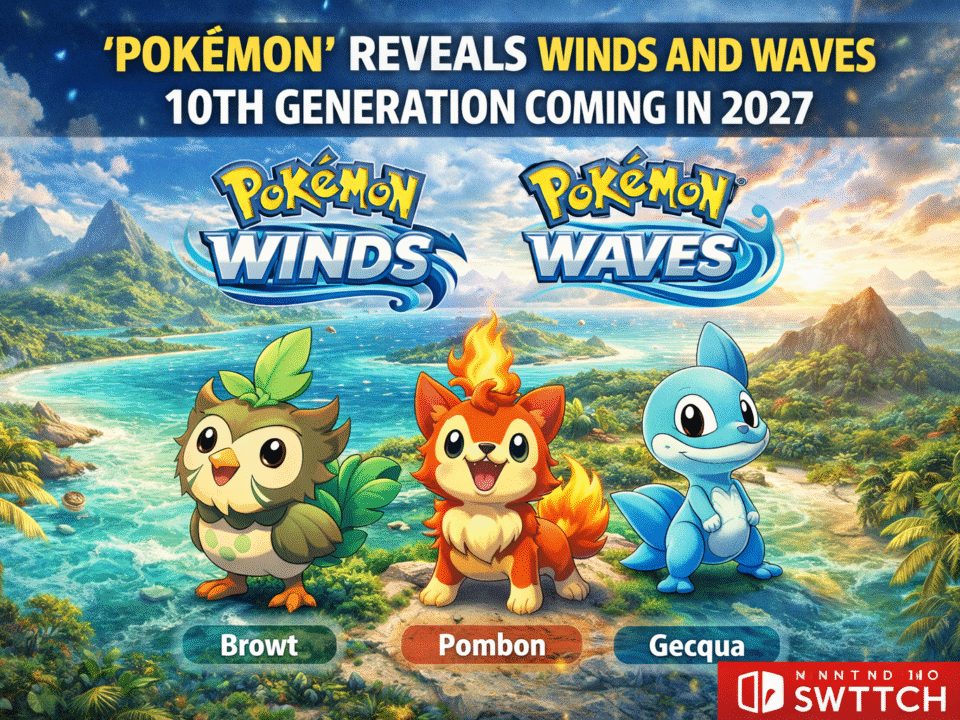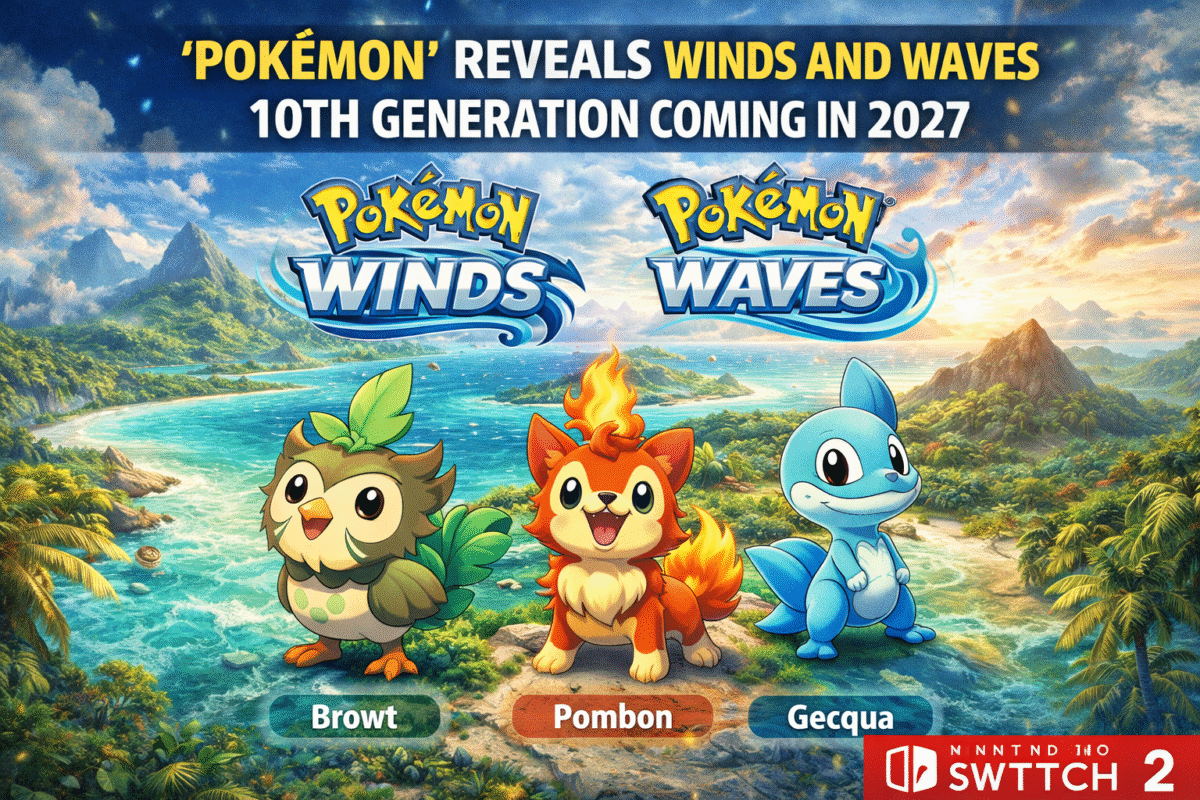
Mega Dimension” DLC for Pokémon Legends: Z-A Lands Dec 10, Promises Bold New Adventure
November 6, 2025
Fallout 4 Anniversary Edition: A Grand Return to the Wasteland
November 10, 2025
Why the Delay of Grand Theft Auto VI Matters — and What It Signals for the Gaming Industry
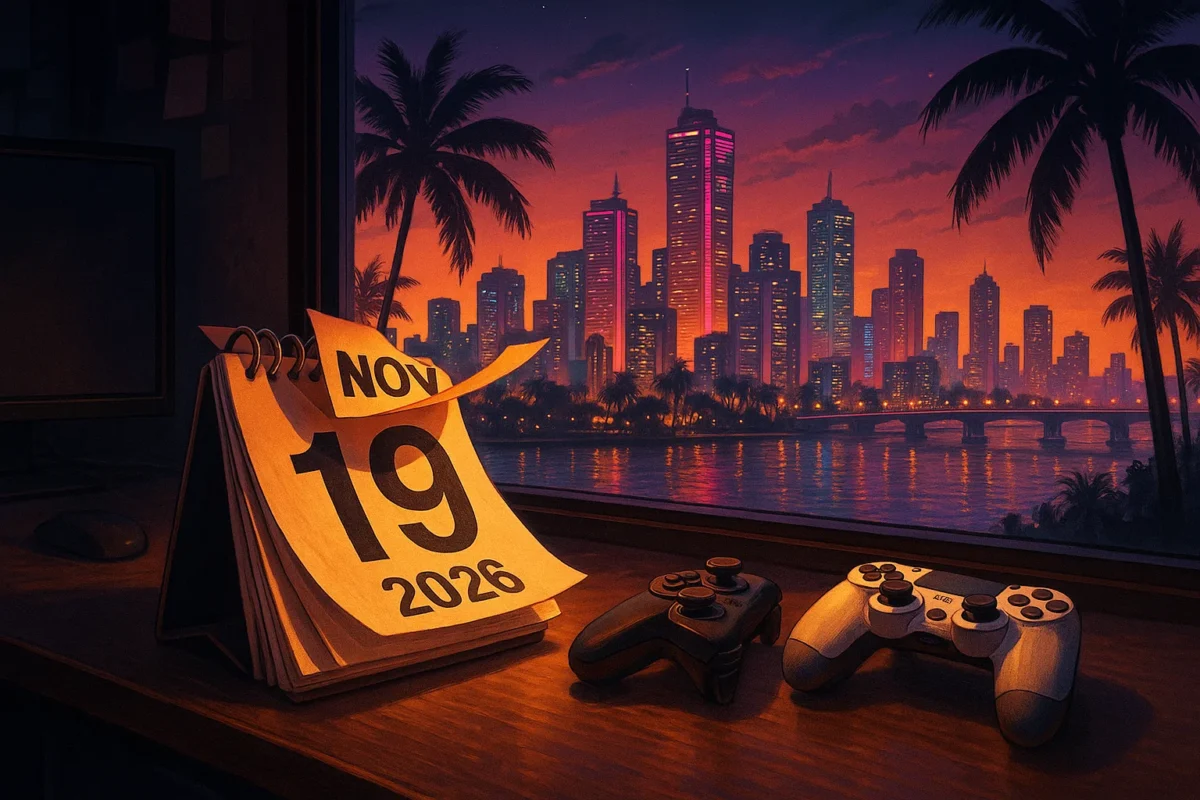
In a major development for the gaming world, publisher Take‑Two Interactive Software announced that Grand Theft Auto VI will be delayed yet again, now targeting a release date of November 19, 2026. Previously scheduled for May 2026, this marks the second major public postponement for the highly-anticipated title.
For many players, developers and industry observers, this isn’t just “another delay” — it highlights broader trends and pressures facing AAA game development, market timing, quality demands, and financial risk.
The Context: Why GTA VI Was Highly Anticipated
The GTA franchise is one of the most successful in gaming history. Its last main entry, Grand Theft Auto V, released in 2013, has sold over 200 million copies and generated billions in revenue over more than a decade. With development rumours, leaks and teaser trailers rapidly circulating, expectations for GTA VI were very high: new protagonists, an open-world modern-day Vice City style setting, next-gen consoles, and the promise of significant innovation.
Given that environment, any delay attracts intense scrutiny — from fans, analysts, investors and the wider industry.
What’s Behind the Delay?
According to the official statement from Rockstar Games (via Take-Two), the extra time will allow the team to deliver the level of “polish” players expect and deserve. But beneath that phrase are a number of underlying pressures:
- Technical & scope complexity: A modern open-world blockbuster, especially from Rockstar, involves massive scale — huge worlds, advanced AI, high-fidelity graphics, live-service components, multiple platforms.
- Market timing: Analysts cited that releasing in the holiday season (Q4) rather than earlier in the year could boost launch impact, marketing spend and console bundling opportunities.
- Quality expectations & reputation: Rockstar has built a reputation for “doing it right”. Publishing a product perceived as unfinished could damage the brand and long-term trust. The delay may reflect risk-mitigation.
- Cost & resource pressures: Longer development means mounting costs — more personnel, more technology investment — which increases risk if the launch underperforms. Some reports even flagged the developers’ internal work environment and overtime demands.
- Competition & ecosystem factors: With next-gen console cycles, shifting hardware market, and other major releases, timing and platform alignment matter more than ever.
The Implications: What This Means for the Game & Industry
This delay is significant for a few reasons:
- For fans / consumer sentiment: Many fans have waited years (in some cases over a decade) since the last main title. A further delay can dampen momentum and risk frustration or hype fatigue.
- For the publisher/developer: Take-Two’s stock dropped several percent following the announcement. The market reacts when expected revenue shifts across quarters, and when big launches slip.
- For the industry: A delay of this magnitude from a top-tier studio may signal that the era of extremely frequent blockbuster releases is more challenging than assumed. It may push other studios to adjust schedules, budgets and strategies.
- For the launch window strategy: By moving to November 2026, the title now sits in a prime holiday-release slot. That could increase sales potential — but also increases competition and expectations.
- For cost control and revenue forecasting: The longer development timeline means higher costs. The pressure to recoup via large sales, live-service monetisation, DLC and ongoing revenue streams becomes stronger.
- For quality vs speed: The delay reinforces that companies prioritise polish and long-term brand over rushing to market. In the past, some rushed launches caused reputational damage (e.g., buggy releases, consumer backlash). This move tries to avoid that fate.
What To Watch Going Forward
As we wait toward late 2026, here are some key areas to monitor:
- Release date confirmation: Will November 19 2026 hold? Or will there be another slip? Repeated delays erode trust.
- Marketing and reveal schedule: Will Rockstar release more gameplay, trailers, beta/pre-order info to keep momentum alive?
- Console/Platform strategy: Is the game targeting PlayStation 5 and Xbox Series X|S only? Will there be PC or next-gen versions?
- Monetisation strategy: Will the launch lean more heavily on live-service components, microtransactions, subscriptions? How will Rockstar balance that with player goodwill?
- Cost & launch metrics: At launch, how many units will they sell? What will the revenue be? Will it recoup the extra development cost?
- Industry ripple effects: Will other major publishers adjust their release strategies, develop longer timelines, or shift their business models in response?
Final Thoughts
The announcement that Grand Theft Auto VI is delayed until November 2026 may disappoint fans who’ve waited years, but on the strategic side it’s a move that reflects the realities of modern blockbuster game development — longer timelines, higher costs, bigger stakes. For Rockstar and Take-Two, the key is to deliver something spectacular that justifies the wait. For the wider industry, this moment underscores that even the biggest releases require patience, precision and planning.
If Rockstar gets this right, the delay may become a footnote in what could be a monumental launch. If not, it could mark a turning point in how games are developed and launched in the coming decade.
FAQs
Q1: When is Grand Theft Auto VI now scheduled for release?
A1: The new target release date is November 19, 2026.
Q2: Why was GTA VI delayed again?
A2: According to the publisher/developer, the delay allows more time for polish and to ensure the game meets expected quality standards. Behind the scenes, this reflects technical complexity, cost pressures, market timing and brand-risk concerns.
Q3: What does this delay mean for fans and the industry?
A3: For fans, it means a longer wait. For the industry, it highlights the growing scale and cost of modern AAA titles, the importance of timing (holiday launch), and the need for high-quality execution to protect brand reputation.
Q4: Could the game be delayed again?
A4: While there’s always that possibility, the shift to a holiday 2026 window suggests Rockstar and Take-Two are aiming to stick to this date. Industry analysts noted choosing the Q4 launch slot supports that strategy.
Q5: What does this mean for the publisher’s finances and stock?
A5: The announcement triggered a drop in the publisher’s stock in after-hours trading, indicating market concern about revenue timing and development cost risk. However, a successful holiday launch could still deliver a strong financial result.
Stay Updated on the Next Generation of Blockbuster Gaming
Want to keep ahead in the gaming industry? Sign up for our newsletter to receive exclusive insights, developer interviews and launch-window updates for major titles like Grand Theft Auto VI. Don’t miss the next big moment.