Here’s Everything Coming To Destiny 2’s Final June 9 Update
June 9, 2026
Supermicro Announces $7B AI Financing Plan: Stock Impact Explained
June 10, 2026
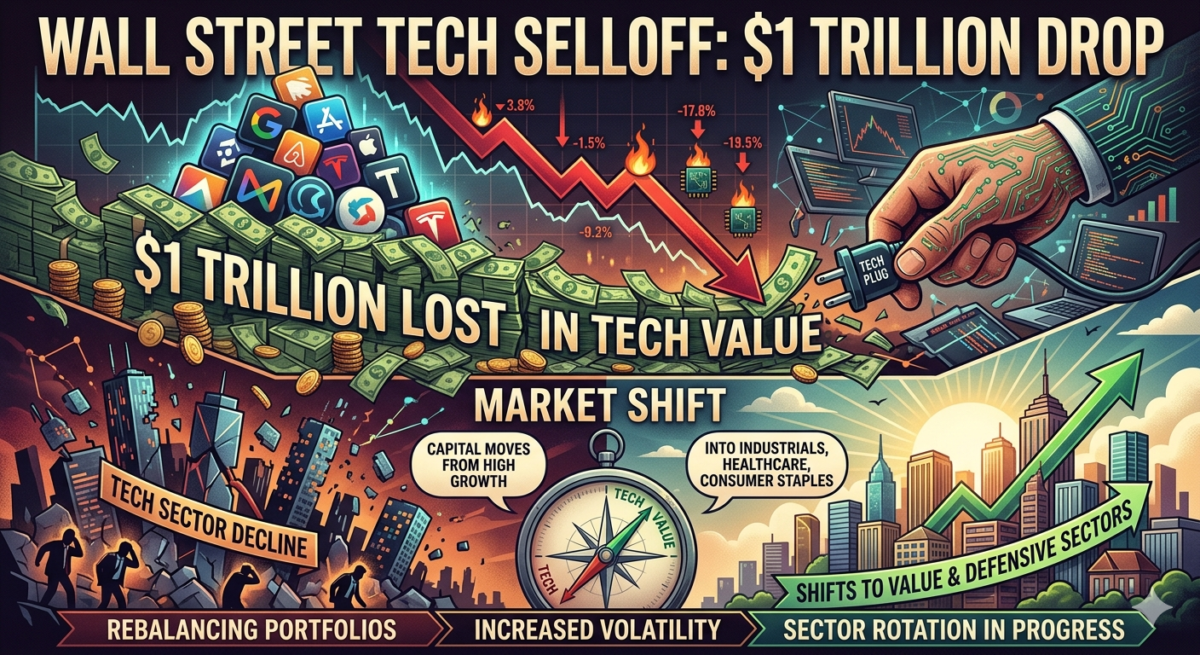
Wall Street Dumped Nearly $1 Trillion in Tech Stocks by Midday—Then Clawed It Back and Bought Peanut Butter and Paint
Wall Street experienced a dramatic trading session as investors rapidly sold technology stocks, wiping out nearly $1 trillion in market value before staging an impressive recovery later in the day. The sudden market swing highlighted the growing uncertainty surrounding artificial intelligence investments, semiconductor stocks, and the broader technology sector.
While major technology companies faced intense selling pressure during the first half of trading, investors simultaneously shifted money into traditionally defensive consumer goods companies, including manufacturers of peanut butter, paint, household products, and everyday consumer staples. This unusual rotation reflected concerns that technology valuations may have become stretched after months of AI-driven enthusiasm.
The market’s rapid reversal demonstrates how investors are balancing excitement about artificial intelligence with concerns about economic growth, interest rates, and stock valuations. As a result, traders are increasingly looking beyond technology stocks and exploring opportunities in sectors that offer stability during periods of market uncertainty.
Why Wall Street Suddenly Sold Technology Stocks
Technology stocks have been among the strongest performers over the past two years. The rise of artificial intelligence created enormous demand for semiconductor companies, cloud computing providers, data center operators, and software developers.
Many investors believed AI would transform nearly every industry, leading to significant capital inflows into technology-related stocks. However, when valuations rise too quickly, even minor concerns can trigger substantial selloffs.
Several factors contributed to the sudden decline:
- Concerns about AI stock valuations
- Profit-taking after strong gains
- Uncertainty regarding future interest rates
- Questions about future earnings growth
- Increased market volatility
As investors rushed to lock in profits, technology shares experienced widespread selling pressure. Semiconductor companies, which have been major beneficiaries of the AI boom, were among the hardest hit.
The AI Trade Faces New Questions
Artificial intelligence remains one of the most important themes in global markets. However, some analysts believe investor expectations may have become too optimistic.
Companies connected to AI have experienced remarkable stock price appreciation, with many trading at valuations significantly above historical averages. While AI continues creating new opportunities, investors are beginning to ask whether current prices fully reflect future growth potential.
The AI trade is not disappearing, but investors appear to be becoming more selective. Rather than buying every company associated with artificial intelligence, market participants are increasingly focusing on businesses with proven revenue growth and sustainable competitive advantages.
This shift represents a natural evolution of the AI investment cycle.
Nasdaq and Semiconductor Stocks Under Pressure
The technology-heavy Nasdaq index felt much of the impact during the selloff. Semiconductor companies, which are critical to AI infrastructure, experienced significant declines as investors reduced exposure to high-growth sectors.
Chipmakers have benefited enormously from demand for AI training systems, data centers, and advanced computing applications. However, these companies also carry elevated expectations.
When investor sentiment changes, semiconductor stocks often experience larger price swings than the broader market because their valuations depend heavily on future growth assumptions.
Despite the weakness, many analysts remain optimistic about the long-term outlook for semiconductors due to continuing demand from:
- Artificial intelligence applications
- Cloud computing infrastructure
- Autonomous vehicles
- Advanced manufacturing
- Consumer electronics
The short-term volatility may therefore reflect market positioning rather than a fundamental change in industry prospects.
Why Investors Bought Peanut Butter and Paint Stocks
One of the most surprising developments during the trading session was the movement of capital into consumer staples and industrial products.
Companies associated with peanut butter, paint, household goods, and consumer necessities attracted investor interest as traders sought stability.
This type of market behavior is common during periods of uncertainty.
When investors become concerned about growth stocks, they often rotate toward defensive sectors that generate consistent revenue regardless of economic conditions.
Examples include:
- Food manufacturers
- Household product companies
- Paint and coatings businesses
- Consumer staples firms
- Healthcare providers
These businesses typically experience less volatility because consumers continue purchasing their products even during economic slowdowns.
The movement into these sectors suggests that investors are becoming more cautious while still remaining invested in the stock market.
What This Means for the Broader Market
The dramatic trading session illustrates an important reality of modern investing: markets rarely move in straight lines.
Even during strong bull markets, corrections and sector rotations are normal.
Investors should recognize that:
- Technology leadership can change quickly.
- AI stocks may experience higher volatility.
- Defensive sectors can outperform during uncertainty.
- Diversification remains important.
- Long-term trends often survive short-term selloffs.
Rather than signaling the end of the AI boom, the market movement may simply represent a reassessment of valuations after an extended rally.
The Role of Interest Rates
Interest rates continue playing a major role in market performance.
Technology companies are particularly sensitive to interest rate expectations because much of their valuation depends on future earnings growth.
When investors believe interest rates may remain elevated, high-growth stocks often face pressure because future profits become less valuable in present-value calculations.
Conversely, lower interest rate expectations generally support technology valuations.
As a result, future Federal Reserve decisions will likely remain a key factor influencing technology stocks and broader market sentiment.
SpaceX IPO Speculation Adds to Market Excitement
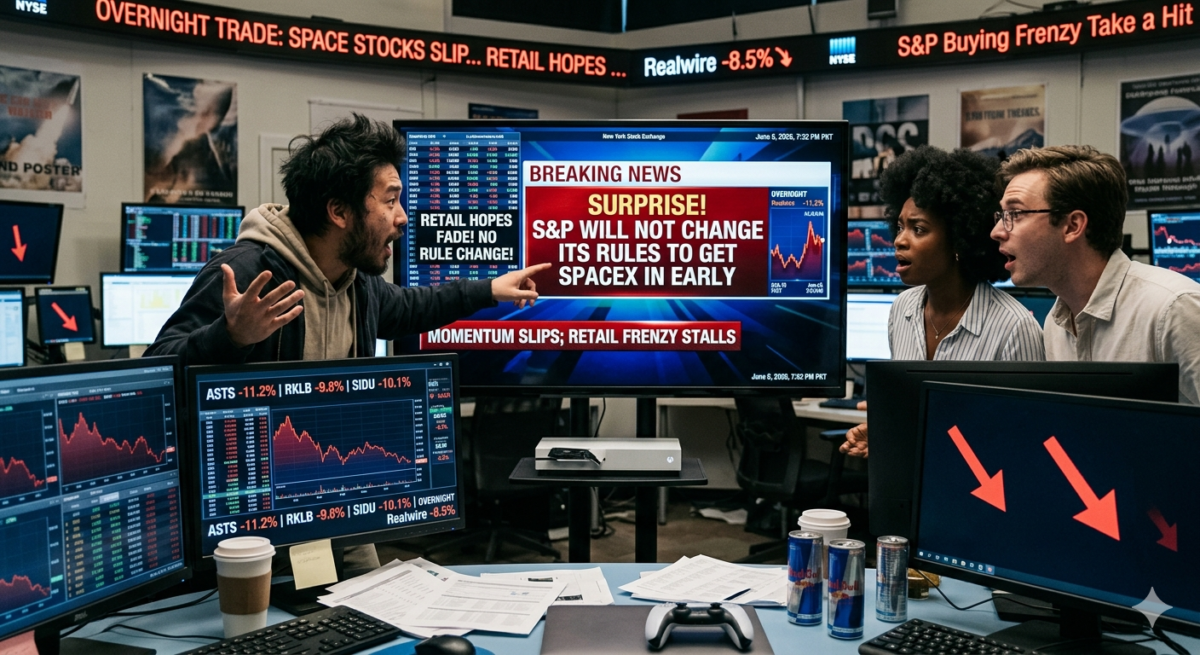
Another topic attracting significant attention is ongoing speculation regarding a potential SpaceX IPO.
Many investors view SpaceX as one of the most anticipated future public offerings. The company’s leadership in commercial space launches, satellite internet services, and advanced aerospace technology has generated enormous interest.
Some analysts believe a future SpaceX listing could become one of the largest IPOs in market history.
The possibility of new high-profile technology offerings continues contributing to investor enthusiasm for innovation-focused sectors despite recent volatility.
Are Technology Stocks Still a Good Investment?
Many investors are now asking whether technology stocks remain attractive after the recent selloff.
The answer depends largely on investment goals and risk tolerance.
Technology companies continue driving innovation across multiple industries, including:
- Artificial intelligence
- Cloud computing
- Cybersecurity
- Digital payments
- Automation
- Advanced manufacturing
These long-term growth trends remain intact.
However, investors should also recognize that higher-growth companies often experience greater volatility than traditional businesses.
A balanced portfolio that includes both growth and defensive sectors may help manage risk during uncertain market conditions.
Lessons Investors Can Learn
The market’s dramatic reversal provides several valuable lessons.
Diversification Matters
Investors concentrated exclusively in technology stocks experienced greater volatility than those with diversified portfolios.
Market Sentiment Changes Quickly
Investor psychology can shift rapidly, particularly in high-growth sectors.
Defensive Stocks Still Have a Role
Consumer staples and industrial companies continue providing stability during periods of uncertainty.
Long-Term Thinking Remains Important
Short-term market movements rarely change long-term investment trends.
Volatility Creates Opportunities
Market pullbacks often create opportunities for investors willing to focus on long-term fundamentals rather than daily price fluctuations.
Outlook for the Rest of 2026
Looking ahead, analysts expect continued volatility as investors evaluate economic data, interest rate expectations, AI adoption trends, and corporate earnings.
Technology remains a key driver of market growth, but future gains may become more selective.
Companies demonstrating strong revenue growth, profitability, and competitive advantages are likely to attract the greatest investor interest.
Meanwhile, defensive sectors could continue benefiting from investors seeking balance and stability.
The combination of innovation-driven growth and defensive positioning may define market behavior throughout the remainder of 2026.
Conclusion
Wall Street’s decision to dump nearly $1 trillion in technology stocks before staging a recovery illustrates the complex forces currently shaping financial markets. While concerns about AI valuations, interest rates, and growth expectations triggered widespread selling, the rapid rebound demonstrates that investor confidence has not disappeared.
The movement of capital into peanut butter, paint, and other defensive industries highlights growing interest in stability and diversification. At the same time, continued enthusiasm surrounding artificial intelligence, semiconductor innovation, and future opportunities such as a potential SpaceX IPO suggests that growth investing remains very much alive.
For investors, the key lesson is clear: market leadership can shift quickly, but maintaining a disciplined, diversified, and long-term approach remains one of the most effective ways to navigate uncertainty.
FAQs
Why did Wall Street sell nearly $1 trillion in tech stocks?
Investors sold technology stocks due to concerns about AI valuations, profit-taking, interest rate uncertainty, and broader market volatility.
Which sectors benefited from the selloff?
Consumer staples, food manufacturers, paint companies, healthcare businesses, and other defensive sectors attracted investor interest.
What does the AI trade mean?
The AI trade refers to investments in companies expected to benefit from artificial intelligence technologies, including chipmakers, software firms, and cloud providers.
Why are semiconductor stocks important?
Semiconductors power AI systems, data centers, consumer electronics, and advanced computing infrastructure, making them essential to modern technology development.
Is the AI boom over?
Most analysts believe the AI boom is continuing, although investors are becoming more selective about which companies they support.
Why did investors buy peanut butter and paint stocks?
These businesses are considered defensive investments because demand for their products tends to remain stable even during economic uncertainty.
What happened to the Nasdaq during the selloff?
The Nasdaq experienced significant pressure because it contains many large technology and growth-oriented companies.
How do interest rates affect technology stocks?
Higher interest rates can reduce the attractiveness of growth stocks because future earnings become less valuable when discounted at higher rates.
Could technology stocks recover?
Many analysts believe technology companies with strong fundamentals could continue growing despite short-term volatility.
What can investors learn from this market event?
The importance of diversification, risk management, long-term investing, and maintaining a balanced portfolio across multiple sectors.
Transform Your Brand with TechInDesigns
Your brand deserves a visual identity that speaks volumes. At TechInDesigns, we craft stunning custom logo designs, branding assets, and creative visuals that help your business stand out and connect with your audience at first glance. Our expert designers tailor every concept to reflect your vision and boost your brand’s impact online and offline.
Ready to Elevate Your Brand Identity?
Connect with TechInDesigns today and bring your ideas to life with powerful logo design, strategic branding, and eye-catching graphics that drive recognition and growth