
‘Pokémon’ Reveals New Games Winds and Waves – 10th Generation Starters in 2027
February 27, 2026
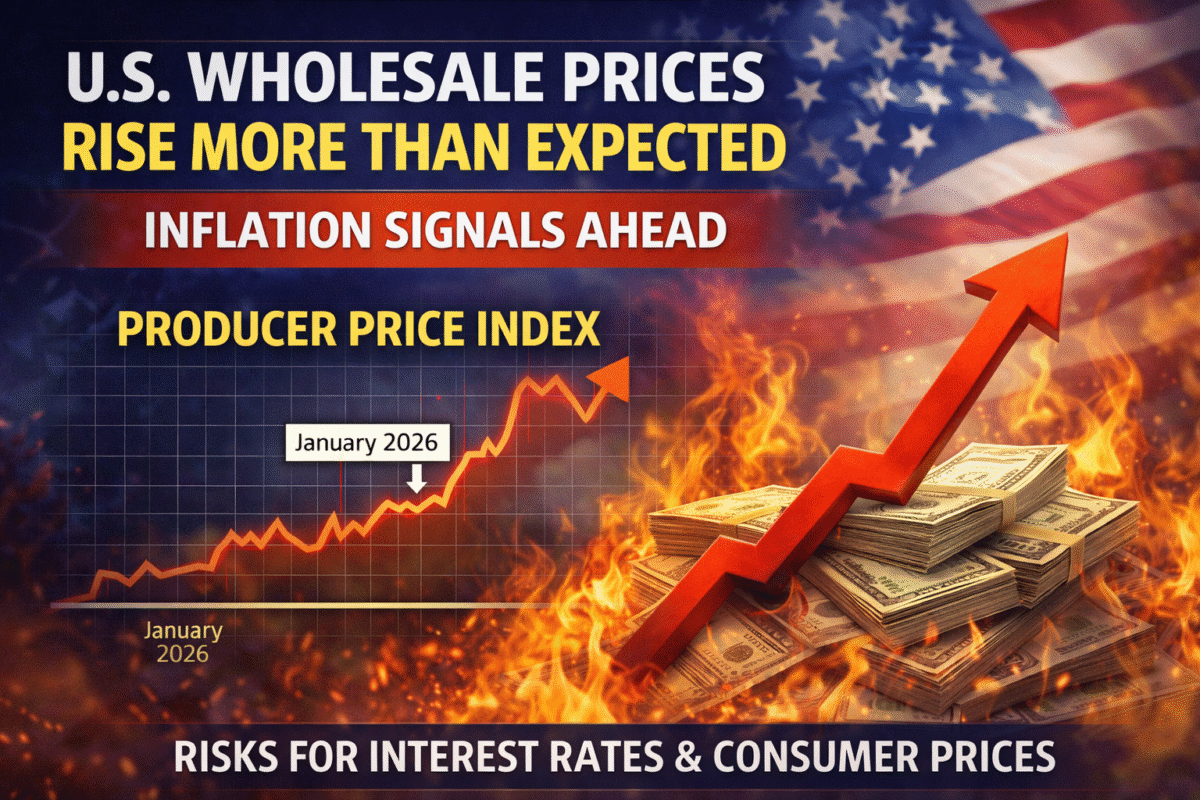
U.S. Wholesale Prices Rise More Than Expected — What It Means for Inflation and the Economy
U.S. wholesale prices climbed more than economists had forecast in January, suggesting that inflation pressures remain persistent in parts of the economy. The latest Producer Price Index (PPI), which measures the prices that domestic producers receive for their goods and services, showed a larger-than-expected increase both for the month and compared with a year earlier.
This hotter reading points to ongoing cost pressures that could filter through to consumer prices later in 2026. Wholesale inflation — especially when core prices rise outside of volatile food and energy components — often signals broader price trends that can influence everything from interest rate decisions to household budgets.
What the Latest Wholesale Price Data Showed
In January, the PPI rose by a stronger amount than many analysts had anticipated. On a monthly basis, wholesale prices increased more than in recent months, and on an annual basis, prices showed solid gains compared with the same period last year.
A closer look at the data revealed that much of the upward movement came from higher prices in services and core goods — categories that exclude food and energy costs. While energy prices, including gasoline, actually trended lower in January, other categories of wholesale costs climbed more noticeably.
Higher wholesale prices can reflect rising input costs for businesses or increased margins at distribution and wholesale levels. When producers and wholesalers face higher costs, some of those expenses are often passed on to retailers and eventually to consumers.
Why Wholesale Prices Matter
Producer prices are often considered a leading indicator for consumer inflation. When wholesale prices rise persistently, they can foreshadow higher prices at grocery stores, retail outlets, and service businesses in the months ahead. Economists and policymakers pay close attention to PPI data to evaluate the strength of inflation forces across the economy.
The Federal Reserve, in particular, watches wholesale price trends as part of its broader assessment of inflation. Stronger producer price gains can decrease expectations for interest rate cuts, as policymakers aim to ensure that inflation remains under control. In turn, interest rate expectations influence financial markets, currency values, and borrowing costs for businesses and households.
Despite some cooling in consumer price readings earlier in the year, the solid increase in wholesale prices suggests that inflation is not fully contained. Ongoing cost pressures in core categories such as services and intermediate goods may continue to reverberate through the economy.
Mixed Signals in the Economy
While wholesale prices rose, some other inflation indicators showed more moderate movements. For example, energy prices fell in January, helping offset some of the broader gains in wholesale costs. This divergence — with energy trending lower but core prices rising — reflects the complex nature of current inflation dynamics.
Economists note that if wholesale price pressures are sustained, they could eventually boost consumer inflation again. However, weakening demand or improvements in supply chains could ease price pressures later in the year.
What This Means for Consumers and Markets
For consumers, rising wholesale prices don’t immediately translate into higher store prices, but they can be an early sign that goods and services may become more expensive in the future. Retailers often adjust prices in response to changes in their own costs, and persistent wholesale inflation can encourage a broader pricing trend.
In financial markets, stronger-than-expected wholesale price data often support expectations that interest rates will remain steady for longer. If the Federal Reserve perceives inflation risks as persistent, policymakers may delay rate cuts or even maintain a firmer monetary policy stance to help contain price pressures.
FAQs
1. What does the rise in U.S. wholesale prices mean?
A rise in wholesale prices suggests that cost pressures are building at the producer level, which can later influence consumer prices and inflation trends.
2. Why do economists watch wholesale price data?
Wholesale prices are considered a leading indicator of consumer inflation. If producer costs rise persistently, businesses may pass those costs on to consumers.
3. Do higher wholesale prices affect interest rates?
Yes. Stronger wholesale inflation can reduce the likelihood of interest rate cuts, as policymakers work to keep inflation under control.
4. Why did energy prices fall while wholesale prices rose?
Energy prices, including gasoline, can move independently of broader producer price trends. While energy trended lower, core wholesale categories such as services climbed.
5. How can rising wholesale prices affect everyday consumers?
Although wholesale price changes don’t immediately change retail prices, they can signal future increases in goods and services that consumers buy.
Evolve Your Gaming Knowledge — Play Smarter, Not Harder!
At TechInDesigns, we explore how AI, design, and innovation are transforming gaming experiences. Dive deeper into gameplay intelligence and design evolution with every post.