$650 Million Mega Millions Jackpot: A Creative’s Take on Luck, Wealth & Visual Storytelling
October 22, 2025
Fallout 4 Anniversary Edition: What Designers & Creators Can Learn from This Celebration of Milestones
October 24, 2025
The Outer Worlds 2 Review: A Rich Sequel That Expands the Universe and Challenges Creatives
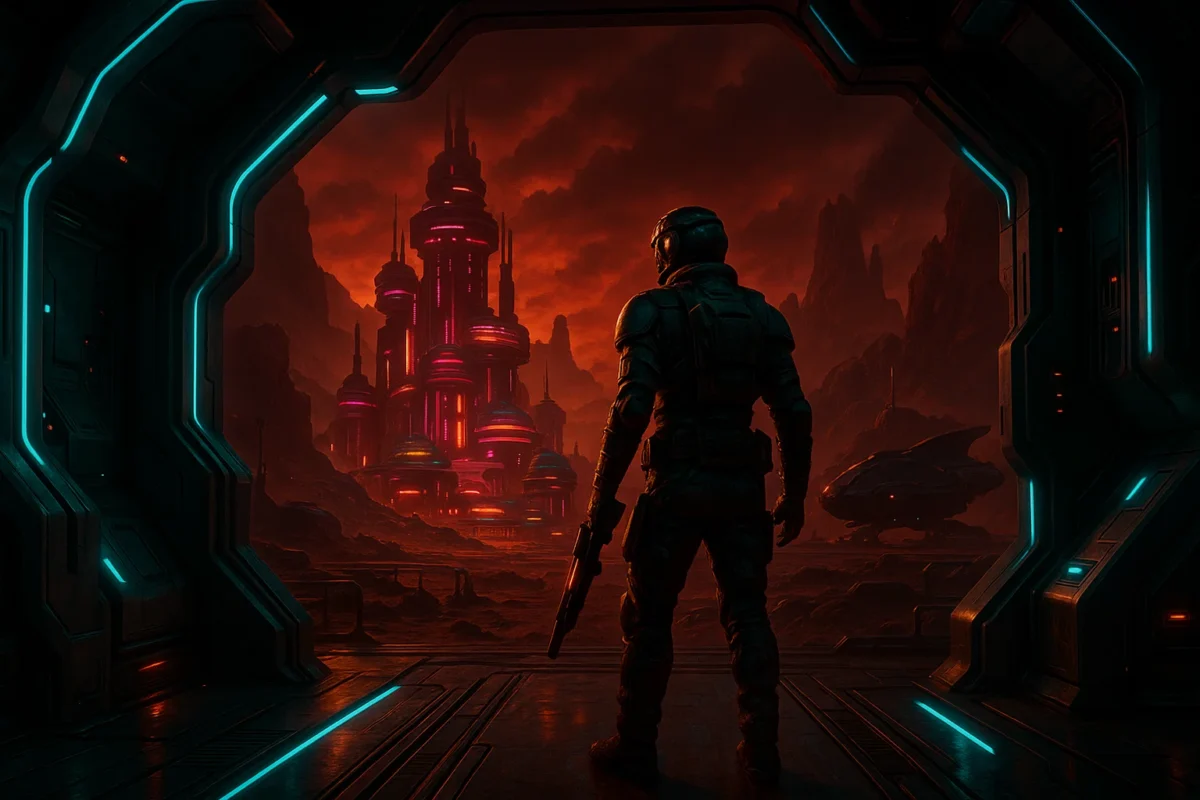
When a sequel emerges from one of the most inventive RPGs of its generation, the challenge is twofold: exceeding the original’s strengths while deepening its core. With The Outer Worlds 2, released October 29 2025 for PS5, Xbox Series X/S and PC, developer Obsidian Entertainment steps up to that mission with ambition. According to the review in Game Informer, while the main narrative may not hit every dramatic crescendo, the richness of content, character reactions, side-quests and world-building more than compensate. Game Informer
Bigger World, Greater Freedom
One of the most significant leaps in The Outer Worlds 2 is how it expands the scope. As revealed in developer discussion, Obsidian listened: players wanted more exploration, deeper build systems and reactive worlds. The sequel not only gives it to them—it does so with polish and scale. For designers and creatives, this means the expectations for world-design, visual variety, and thematic consistency have increased.
Choice, Consequence & Visual Impact
At the heart of the game lies its branching choices. The review emphasises how side content “weaves seamlessly in and out of the golden path”. What that means for creatives is that these branching narratives require visual assets that remain consistent but adaptable. Environments, characters and UI must reflect different outcomes while maintaining brand identity (in game terms: the game’s style). For brands or designers referencing games, the lesson is clear: build visual systems that flex, not break.
Visual Upgrades & Creative Design Considerations
The Outer Worlds 2 not only expands in breadth—it upgrades in depth. Graphics, animation and world-detail have been stepped up, creating a richer backdrop for storytelling. For designers, that means raising the bar. If a game world can set new expectations for aesthetic complexity and interactivity, brands and creators need to respond. Whether it’s motion graphics, interactive UI or immersive experiences, the standard is shifting.
Satire, Themes & Brand Analogy
The original The Outer Worlds won praise for its satirical take on capitalism, power structures and corporate absurdity. In this sequel, those themes remain central. As noted, Obsidian says “people who have power tend to abuse the people who don’t.” For designers and brand strategists, that narrative edge translates into visual storytelling opportunities: commentary through aesthetics, identity via metaphor, and user engagement by theme.
What Creatives Can Learn From the Sequel
- Modular systems matter: Just as the game offers layers of choice and consequence, designers should build visual frameworks that scale and adapt.
- Narrative as visual engine: The game isn’t just about gameplay—it’s about story. Designers should likewise treat visual identity as storytelling, not just decoration.
- Updated standards: With higher fidelity in game assets, designers must aim higher in UI/UX and visual production—especially on next-gen platforms.
- Theme-driven aesthetics: The game’s satirical world offers a lesson: aesthetics tied to theme resonate stronger. Brands should ask: what is our theme? How do visuals express it?
Areas Where It Doesn’t Fully Land
No masterpiece is without compromise. The Game Informer review notes that while the side content is rich, the central narrative may feel “anti-climactic”. For designers, that translates to a caution: even strong visual systems can’t fully compensate if story or purpose is weak. The takeaway? Design must serve story, not overshadow it.
Final Verdict for Designers & Creators
The Outer Worlds 2 is a compelling sequel with creative ambition. It’s not just a “bigger version” of the first game—it sets new benchmarks for world-design, visual complexity and narrative depth. For designers and creators, it means the bar has shifted again. The challenge now is to match the world we consume with the world we create.
FAQs
Q1. What platforms is The Outer Worlds 2 available on?
It launches October 29 2025 on PS5, Xbox Series X/S and Windows PC.
Q2. Does the sequel improve on the first game’s weaknesses?
Yes—developers have added more player choice, deeper systems and reactive world-design in response to feedback.
Q3. What should designers in other fields take away from this game?
Focus on building flexible visual systems, aligning visuals with story and preparing for higher fidelity expectations.
Q4. Are the themes still relevant for brands and creators?
Absolutely. Themes of power, choice and consequence resonate beyond gaming—they’re potent in brand identity, culture, politics and storytelling.
Q5. Is the story weaker than expectations?
According to the review, while side-content excels, the main narrative has moments that feel less explosive than hoped. Visual execution remains strong though.