Go For It, Nakamura-kun!! English Dub: Same-Day Release, Cast & Crew
March 31, 2026
Go Play This Secret Game in Your TikTok DMs – Hidden Fun on TikTok
April 1, 2026
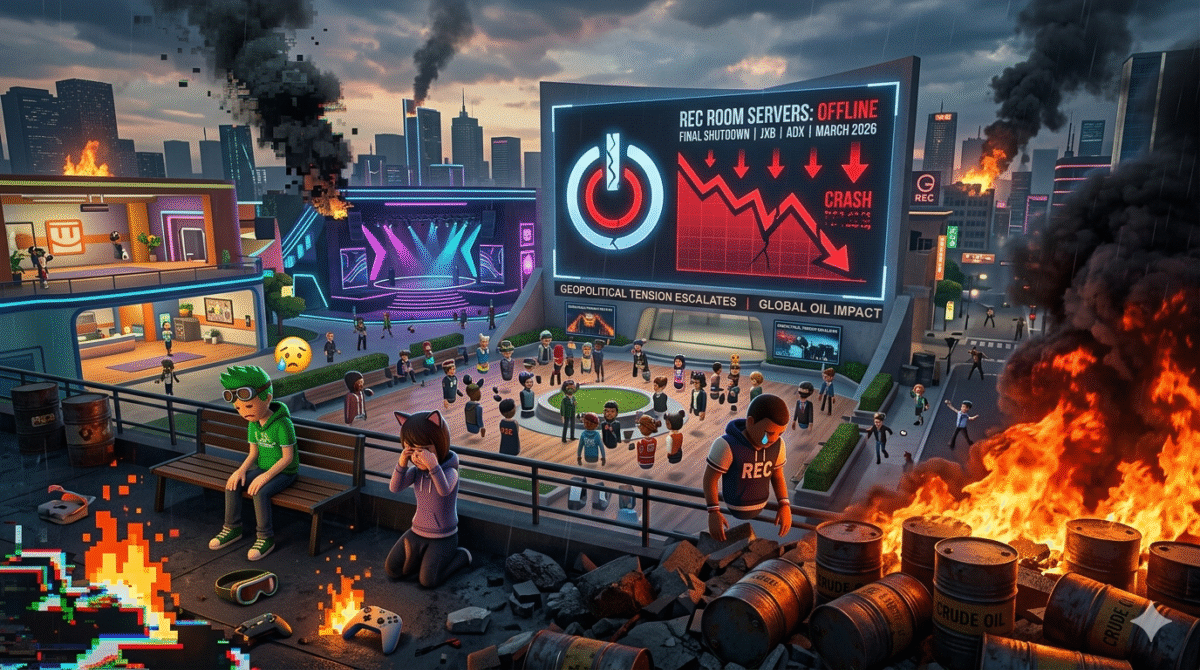
Rec Room Shutting Down: Once Valued at $3.5B, Social Gaming Platform Finds Profits Elusive
Introduction
The social gaming landscape is facing a significant shift as Rec Room, once valued at $3.5 billion, announces that it will be shutting down. The platform, known for its immersive virtual reality experiences and wide-reaching social gameplay, struggled to turn its massive user base into sustainable profits.
For years, Rec Room was considered one of the leading platforms for social gaming, allowing players to create, explore, and interact in a variety of virtual spaces. Its shutdown marks a turning point in the social VR and multiplayer gaming sectors, emphasizing the challenges of monetization and operational costs in the rapidly evolving industry.
Why Rec Room Is Shutting Down
Despite its popularity, Rec Room faced persistent financial challenges. The platform grew quickly, attracting millions of players, but converting engagement into profits proved difficult.
Key factors contributing to the shutdown include:
- High Operational Costs: Maintaining servers, virtual worlds, and VR infrastructure is expensive.
- Monetization Struggles: While Rec Room offered in-game purchases and subscriptions, revenue did not keep pace with growth.
- Competition: Rival platforms and new gaming experiences drew users away, fragmenting the social VR market.
- Saturation: As the VR social gaming sector matured, attracting new paying users became harder.
Ultimately, the business model could not sustain the scale of operations, leading leadership to make the difficult decision to close the platform.
Rec Net and Community Features
One of Rec Room’s most notable features was Rec Net, a system that allowed players to track achievements, interact with friends, and manage their gaming experiences. Rec Net fostered a strong sense of community and competition among users.
Other community features included:
- Player-Created Rooms: Users could design and share their own virtual environments.
- Events and Tournaments: The platform hosted community events, social gatherings, and competitive tournaments.
- Cross-Platform Play: Rec Room allowed players on VR headsets, consoles, and PC to connect seamlessly.
These features made Rec Room a social hub for millions, but even robust communities could not solve the underlying business challenges.
Player Count and Engagement
At its peak, Rec Room boasted millions of active users worldwide. Daily engagement was high, with players logging in to explore virtual worlds, play games, and interact socially.
- Active Player Count: Tens of millions of registered users, with a large portion in VR.
- Engagement Trends: While casual players remained loyal, the number of new paying users was not sufficient to sustain profitability.
High engagement demonstrates the platform’s appeal, but it also highlights a key challenge: popularity does not always equal financial success.
Social Spaces and Rec Room Discord
Rec Room thrived as a social platform, and the Rec Room Discord community became a key space for discussion, sharing creations, and coordinating events. The Discord server fostered collaboration and creativity, reinforcing Rec Room’s status as more than just a gaming platform—it was a virtual social ecosystem.
Despite this vibrant community, online engagement and fan loyalty alone could not offset the operational costs and declining revenue streams.
Alternatives and Games Like Rec Room
With the shutdown, many players are seeking games like Rec Room to continue their social gaming experiences. Popular alternatives include virtual reality social hubs and multiplayer creative platforms that offer immersive experiences.
Players will likely migrate to platforms that provide:
- Similar creation tools and room-building options
- Multiplayer social interaction
- VR support for immersive gameplay
- Community-driven events and activities
The closure of Rec Room may create opportunities for new platforms to capture its user base and innovate in the social VR space.
History and Launch
Rec Room originally launched to provide a virtual space where users could socialize, play games, and explore interactive environments. Over time, it became a hub for creativity and social engagement.
Key Historical Points:
- Launch Date: Rec Room debuted in the mid-2010s, quickly attracting a dedicated audience.
- Early Growth: The platform capitalized on the rise of VR and multiplayer social experiences.
- Investment: High valuations, including the $3.5 billion mark, reflected strong investor confidence in its potential.
Despite this promising trajectory, the inability to generate sustainable revenue ultimately overshadowed past successes.
Rec Room Blog and Company Updates
Throughout its lifecycle, the Rec Room blog served as a primary source of company updates, including feature releases, events, and community announcements. Users relied on the blog to stay informed about new tools, updates, and the evolving social experience within the platform.
The blog also highlighted company efforts to address financial and operational challenges, but these measures were not enough to maintain long-term viability.
Rec Room Login and Accessibility
Rec Room was widely accessible across devices, allowing users to login via VR headsets, consoles, and PCs. Cross-platform play made it easy for friends to connect and explore virtual worlds together.
The platform’s accessibility contributed to its growth but also increased costs, as maintaining compatibility across multiple systems required significant resources.
Lessons from Rec Room’s Closure
The shutdown of Rec Room offers important insights for developers and investors in the social gaming and VR sectors:
- Revenue vs. Engagement: High user engagement does not guarantee profitability.
- Operational Costs Matter: Platforms with complex infrastructure require sustainable financial models.
- Market Competition: The social VR space is highly competitive, and maintaining a leading position requires constant innovation.
- Community Loyalty Isn’t Enough: Even passionate communities cannot fully offset structural financial issues.
These lessons may shape the strategies of future social gaming platforms and influence investor decisions.
Conclusion
The closure of Rec Room, once valued at $3.5 billion, marks a pivotal moment in the social gaming industry. While the platform excelled at creating immersive virtual worlds and fostering strong communities, financial sustainability proved elusive.
As fans transition to alternative platforms, the legacy of Rec Room serves as a case study in balancing innovation, engagement, and profitability in the rapidly evolving world of social gaming.
FAQs
1. Is Rec Room shutting down in 2026?
Yes, the company has officially announced that Rec Room will be shutting down due to financial and operational challenges.
2. What was Rec Room’s valuation?
Rec Room was once valued at approximately $3.5 billion.
3. What is Rec Net?
Rec Net is the platform’s community and tracking system, allowing players to manage achievements, friends, and interactions.
4. How many players did Rec Room have?
Rec Room had millions of registered users worldwide, with tens of millions actively engaged at its peak.
🚀 Transform Your Brand with TechInDesigns
Your brand deserves a visual identity that speaks volumes. At TechInDesigns, we craft stunning custom logo designs, branding assets, and creative visuals that help your business stand out and connect with your audience at first glance. Our expert designers tailor every concept to reflect your vision and boost your brand’s impact online and offline.
📩 Ready to Elevate Your Brand Identity?
Connect with TechInDesigns today and bring your ideas to life with powerful logo design, strategic branding, and eye-catching graphics that drive recognition and growth