Call of Duty: Black Ops 7 — A Technical Masterpiece Arrives on PC with Preload, Specs, and Handheld Compatibility
November 4, 2025
Mega Dimension” DLC for Pokémon Legends: Z-A Lands Dec 10, Promises Bold New Adventure
November 6, 2025
Dragon Quest I & II HD-2D Remake: A Nostalgic Revival for RPG Lovers and Creative Storytellers
Introduction: When RPGs First Felt Magical
There’s something timeless about the early days of Dragon Quest — the pixelated worlds, enchanting music, and emotional storytelling that laid the foundation for the modern RPG genre. With Dragon Quest I & II HD-2D Remake, Square Enix invites us to relive that magic — not through a simple remaster, but through a visually rich, artistically reimagined experience that bridges the past and future of gaming design.
This remake doesn’t just revisit nostalgia — it reinvents it. Combining classic gameplay with the now-iconic HD-2D visual style, the remake reminds players that artistry and emotion can coexist beautifully in a digital world.
The Art of HD-2D: A Symphony of Pixels and Depth
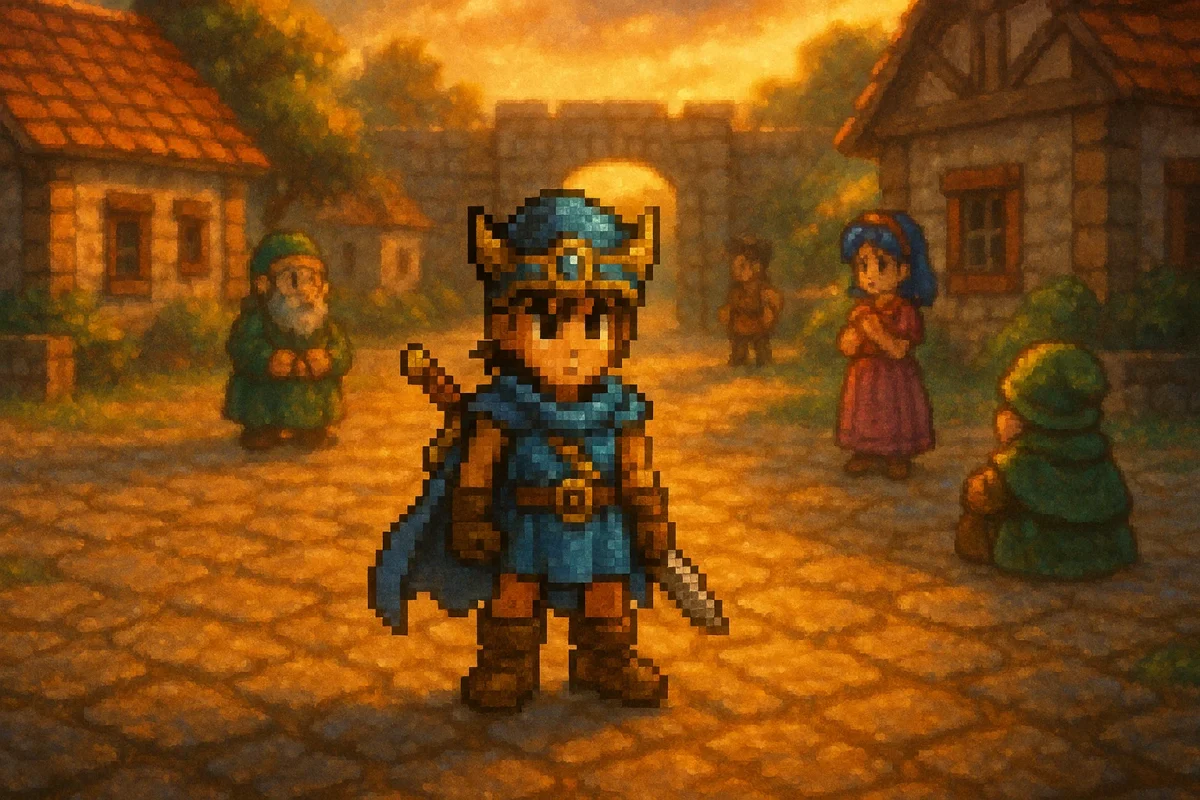
Square Enix’s HD-2D approach, seen before in Octopath Traveler and Live A Live, has become an art form of its own. It merges 2D pixel art with 3D lighting, depth, and modern effects — creating an aesthetic that’s both vintage and futuristic.
For designers and digital artists, this technique is a masterclass in visual storytelling through contrast:
- Lighting and Depth: Real-time shadows and glows breathe life into flat environments.
- Texture Harmony: Crisp sprites stand against soft, painterly backgrounds.
- Nostalgia Meets Innovation: Every scene looks like a moving diorama, balancing handcrafted charm with technological brilliance.
The HD-2D style teaches a key design lesson — innovation doesn’t always mean replacing the old; sometimes, it means reinterpreting it with love.
A Story That Still Feels Alive
Despite being nearly four decades old, Dragon Quest I & II still resonate. Their storytelling — pure, earnest, and driven by emotion rather than spectacle — offers a creative reminder: simplicity can be powerful.
The remake keeps the essence intact while subtly enhancing the experience:
- Refined Dialogue: Character interactions now flow naturally, blending humor, heroism, and heart.
- Cinematic Transitions: Modern camera work enriches the emotional beats without overshadowing the retro charm.
- Immersive Sound: Remastered orchestration gives new emotional gravity to every battle and village theme.
The message? Timeless stories never fade — they evolve.
For Designers: Lessons in Creative Balance
For creators, Dragon Quest I & II HD-2D Remake is more than a game — it’s a case study in creative decision-making.
Here’s what digital designers, developers, and storytellers can learn:
- Respect Your Roots: Innovation that ignores legacy loses soul.
- Design for Emotion: Technical prowess must serve the story.
- Cohesion Over Complexity: Visual identity works best when all elements harmonize.
Square Enix’s art direction demonstrates how color theory, contrast, and spatial composition can evoke emotion even in a minimalist world — a core lesson for UI/UX designers and visual artists alike
Gameplay: Tradition Refined
While staying true to its turn-based roots, the remake introduces subtle modern refinements:
- Streamlined Menus and Animations improve pacing.
- Auto-save and accessibility options modernize the experience for newer players.
- Faster travel and combat flow keep momentum without diluting strategy.
These tweaks respect veteran fans while welcoming newcomers — a perfect balance between user experience and brand legacy, something every designer strives to achieve.
Cultural Impact: The Legacy of Dragon Quest
Few series have influenced Japanese pop culture like Dragon Quest. From its character designs by Akira Toriyama (of Dragon Ball fame) to its iconic music by Koichi Sugiyama, the franchise has shaped how players perceive storytelling in games.
In an age where realism dominates, Dragon Quest I & II HD-2D Remake stands as a statement — that artistic expression and emotion matter more than graphical horsepower. It’s a reminder that visual design, when guided by heart, can become a universal language.
What This Means for Modern Creators
The remake isn’t just nostalgia marketing — it’s an example of how to use design to reawaken emotion. For game designers, digital creators, and storytellers, this project represents a new model of creative integrity:
- Use modern tools to celebrate timeless values.
- Balance innovation and heritage in every creative decision.
- Let art direction tell as much story as the words on screen.
Dragon Quest I & II HD-2D Remake isn’t simply a game release — it’s a lesson in storytelling through art and design.
Final Thoughts
In a world obsessed with graphical realism, Dragon Quest I & II HD-2D Remake is a love letter to imagination. It shows that nostalgia, when reinterpreted with craftsmanship and creativity, can feel as fresh as anything new.
For the creative community, it’s an inspiration: keep exploring, keep experimenting, but never forget the emotional heart of your craft.
FAQs
1. What is the HD-2D art style in Dragon Quest I & II Remake?
It’s a visual technique combining 2D sprites with 3D lighting and depth, creating a nostalgic yet modern aesthetic.
2. Is the remake faithful to the original games?
Yes — it preserves the story and characters while improving visuals, dialogue flow, and accessibility.
3. Why is this remake significant for game designers?
It showcases how legacy design can evolve without losing authenticity, offering lessons in visual balance and emotional storytelling.
4. When is the release date for Dragon Quest I & II HD-2D Remake?
The game is slated for 2025, with multi-platform availability confirmed.
5. How does the remake influence modern RPG design?
By blending nostalgia with innovation, it sets a new benchmark for emotional design and artistic reimagination.
Rediscover the Magic of Design and Storytelling
At TechInDesign, we celebrate the artistry that defines gaming and digital creation.
Explore the intersection of design, creativity, and technology — where nostalgia meets innovation.
Stay inspired, stay creative — only on TechInDesign.com.