ByteDance in Talks to Sell Moonton Gaming Unit for $6 Billion
February 13, 2026
Stellar Blade Developer Teases More Platform Releases
February 16, 2026
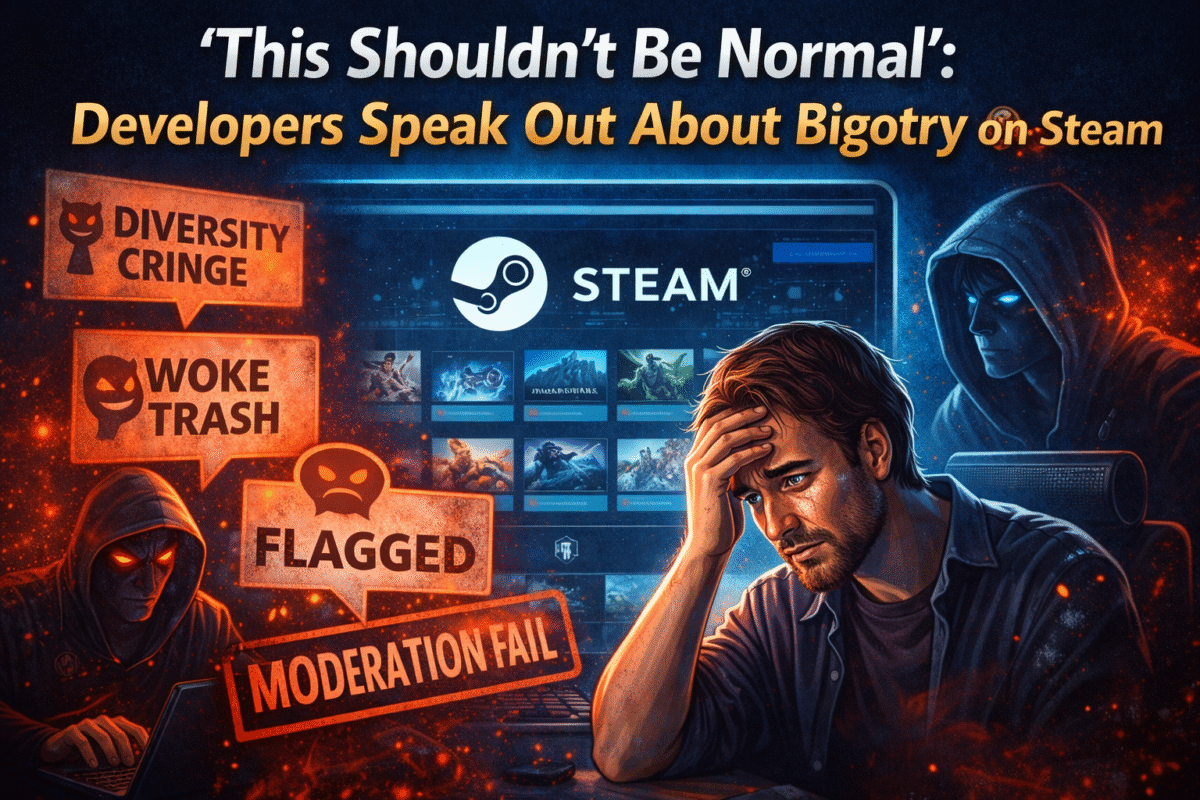
‘This Shouldn’t Be Normal’: Developers Speak Out About Bigotry on Steam, the World’s Biggest PC Gaming Storefront
A growing chorus of independent game developers and creators has spoken out about bigotry, harassment, and hate speech on Steam, the largest digital storefront for PC gaming. According to firsthand accounts from those affected, the platform’s moderation systems are failing many developers — particularly those from marginalized communities — and allowing toxic behavior to flourish unchecked.
For many creators, what should be an essential distribution channel for their games has instead become a place where harmful reviews, discriminatory comments, and targeted attacks are commonplace. “This shouldn’t be normal,” said one developer describing their experience trying to get abusive content removed.
Developers Say Bigotry Is a Real Problem
Several game makers, especially those who are part of LGBTQ+ communities or who make games with diverse representation, described how bigoted reviews and forum posts have made Steam an unsafe environment. In one case, a creator reported transphobic and antisemitic comments posted in game reviews. After reporting them, moderators initially cleared the offensive content, leaving developers frustrated and without recourse.
“I’m not new to online harassment,” one developer recounted, describing years of battling harmful posts that had nothing to do with the quality of their games. When they finally got one of the worst reviews removed, it was only after rallying community support and speaking directly to someone at Steam behind the scenes — something most developers can’t realistically do.
Much of the problem comes from Steam’s user-generated content: game reviews, discussions, and curator lists. Some self-appointed curators promote lists targeting games because of the identities of their creators or because they include inclusive content — not because of anything related to the gameplay. One such list was titled “No Woke”, aimed at games perceived as “too LGBTQ,” encouraging coordinated negative reviews against those titles.
Moderation: Ineffective, Limited, or Broken?
Developers say that Steam’s moderation system is poorly equipped to handle abuse and bigotry. According to interviews, the company’s official community guidelines prohibit discrimination, harassment, and hateful language — yet many offensive reviews remain live for months after being reported.
A common critique is that once content has been reviewed and cleared by a moderator, the same person cannot flag it again unless it is edited by its author. This loophole means offensive posts can remain permanently visible even if most users recognize they violate community standards.
One developer said that Steam’s responses often default to suggesting that creators rely on community moderation — such as “helpfulness” voting — rather than direct removal of hateful content. This approach, critics argue, places the burden on users instead of holding harmful voices accountable.
Personal and Professional Consequences
For many indie developers, Steam is not just a marketplace — it’s the gatekeeper to visibility, sales, and community engagement. The platform’s dominance means that refusing to engage with it is not a viable option for most small studios. A large majority of PC developers rely on Steam for a significant portion of their revenue, and many see the platform as essential for reaching players.
But this reliance also comes with costs. Targeted negative reviews and harmful comments can damage a game’s visibility and sales, especially when the storefront’s algorithms factor user reviews into recommendations and search rankings. For indie creators without large followings, one wave of hateful comments can have long-lasting effects.
One developer portrayed the situation as feeling held hostage by Steam’s near-monopoly on PC game distribution, where stepping outside the platform means losing access to millions of potential players.
Culture War, Community, and the Broader Debate
Part of the conversation around moderation on Steam has spilled into broader discussions within gaming communities. Some players argue that flagging content as bigotry can be misused to silence criticism, while others insist that clear rules against hateful language must be enforced to protect creators. Community posts show a range of opinions, but one common theme is frustration with the current moderation tools and processes.
Critics of Steam’s moderation also point to how tagging systems and community features can be exploited, turning game pages into battlegrounds for unrelated cultural arguments or political messaging — rather than discussions about the games themselves.
What Developers Want
Most of the developers who spoke out are not calling for censorship; rather, they want consistent enforcement of existing rules against harassment and discrimination. They argue that hate speech and targeted bigotry should be addressed swiftly, not ignored or dismissed by safety protocols that leave creators feeling abandoned.
Some suggest that Valve, Steam’s parent company, needs to invest in better moderation staff or outsource content review to handle the volume of reviews and discussions effectively. Others believe developers should have more control over managing comments on their own game pages.
What Happens Next?
Valve has not publicly responded to the critics cited. The lack of official communication on these concerns — especially from the company responsible for one of the most trafficked gaming platforms in the world — adds to the sense of frustration among developers.
What is clear from these conversations is that many creators no longer see toxic reviews and bigoted commentary as occasional issues — but as ongoing structural problems that shape both their professional lives and their interactions with the gaming community.
Steam’s role in the PC gaming ecosystem is enormous, but critics argue that without significant improvements in how bigotry and harassment are moderated, the platform risks alienating the very creators whose work helped make it indispensable. As one developer put it, “We shouldn’t have to treat this as normal.”
❓ Frequently Asked Questions (FAQs)
1. What does “bigotry on Steam” mean?
It refers to harassment, hate speech, and discriminatory behavior directed at game developers or players on the Steam platform. This includes offensive reviews, forum posts, and targeted attacks based on race, gender, or sexual orientation.
2. Why are developers speaking out now?
Many developers, particularly from marginalized communities, are frustrated with Steam’s ineffective moderation. They report that hateful content often remains online for months, impacting visibility, sales, and community engagement.
3. How does Steam moderation currently work?
Steam relies on user reporting and internal moderation. Critics argue the system is slow, inconsistent, and sometimes leaves offensive content live even after multiple reports. Community voting is often suggested instead of direct removal.
🚀 Transform Your Brand with TechInDesigns
Your brand deserves a visual identity that speaks volumes. At TechInDesigns, we craft stunning custom logo designs, branding assets, and creative visuals that help your business stand out and connect with your audience at first glance. Our expert designers tailor every concept to reflect your vision and boost your brand’s impact online and offline.
📩 Ready to Elevate Your Brand Identity?
Connect with TechInDesigns today and bring your ideas to life with powerful logo design, strategic branding, and eye-catching graphics that drive recognition and growth