Fallout 4 Anniversary Edition: What Designers & Creators Can Learn from This Celebration of Milestones
October 24, 2025
Battlefield 6’s “RedSec” Battle Royale Mode Is Finally Here — A Deep Dive into Its Design, UX & Creative Lessons for 2025
October 28, 2025
67 Emote Frenzy in Clash Royale: What Creators & Designers Can Learn from the Viral Surge
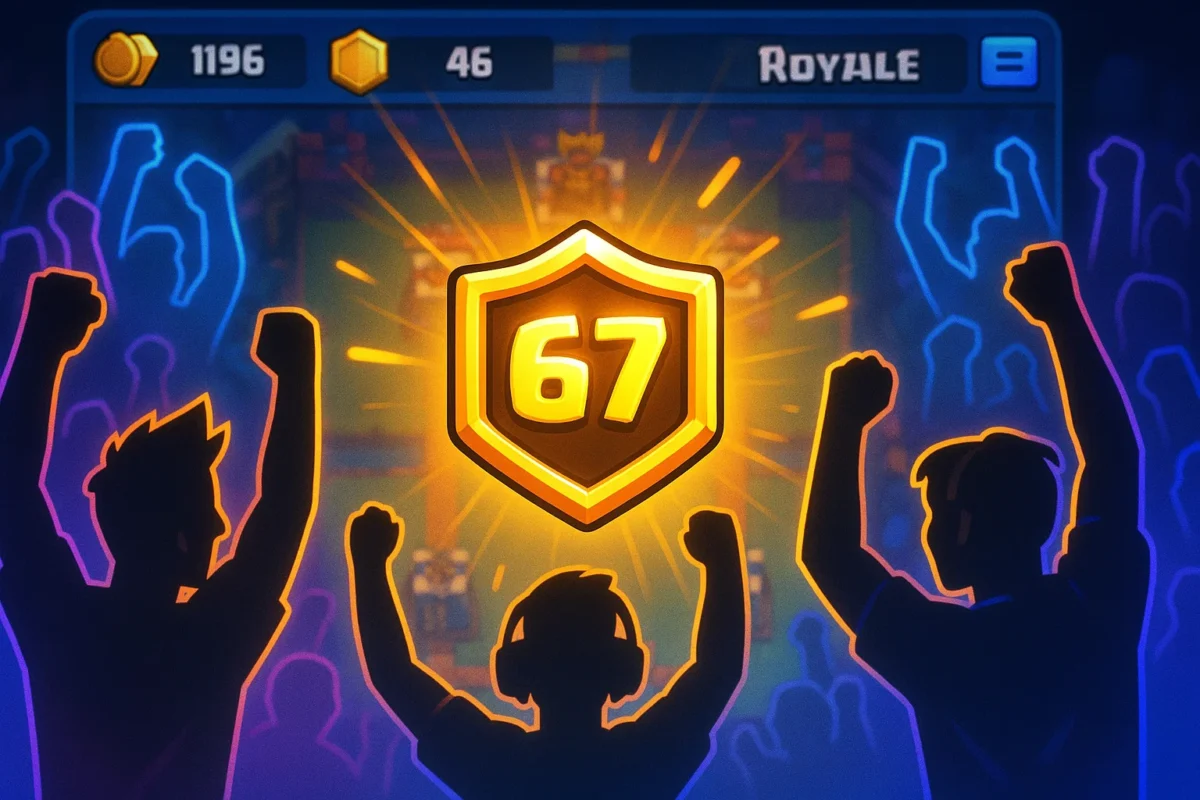
In the booming world of mobile gaming, small details often trigger massive waves of engagement. The recent launch of the “67 Emote” in Clash Royale has done exactly that: sparking an avalanche of theory‐crafting, excitement and community sharing. According to reports, players discovered a mysterious in‐game emote labelled “67,” soon followed by hundreds of speculative videos, Reddit threads and social posts analysing how to claim it. This moment isn’t just a game update — it’s a vivid lesson for creators and designers in how visual icons and hype mechanics drive engagement.
Setting the Stage: What Happened?
The emote appeared in version 6.7 of the game seemingly without much prior announcement. Players discovered the code and shared ways to unlock it, often saying “it worked for me.” The hype extended across platforms such as Reddit’s r/ClashRoyale, where one post stated:
“Gang use this one to get the emote. Others didn’t work for me but this one did for some reason.” Reddit
The communal vibe, the mystery, and the reward combined to create a viral moment overnight.
Why the 67 Emote Trend Matters for Designers
For designers, brand strategists and creators, this viral event reveals several important principles:
- Symbolic Visuals Drive Community Action
An emote is a tiny piece of visual design — but it became a symbol of achievement, belonging and scarcity. That power of a small asset is huge in design thinking. - Hype Mechanics & Unlockables
The excitement wasn’t just the emote’s appearance; it was how players chased the code, shared success, and felt part of something exclusive. Designers can emulate this in UI/UX, gamified apps or brand loyalty programs. - User‐Generated Theory & Social Amplification
Instead of the brand flooding content, players created their own videos, threads and memes to decode the emote. Designers and creators should build assets that invite speculation and community creation. - Micro-Moments, Big Effects
A small design change (a new emote icon) triggered massive engagement. That shows that strategic micro-design matters just as much as big visuals.
Visual Design Lessons
- Icon clarity & aesthetic: The emote icon had to be immediately legible, distinctive and share-worthy. For designers, iconography must pack meaning into a simple visual.
- Reward visuals are meaningful: In games or apps, visuals tied to rewards (emotes, badges, stickers) boost retention.
- Shareability built in: The emote’s reveal encouraged players to capture, share and discuss—highlighting the value of visual assets that spark conversation.
Impact on the Creator Economy
Creators who posted “how to get the 67 Emote” videos saw bursts of views and engagement. This shows how game designers and brands alike can tap viral mechanics to fuel creator ecosystems—and designers should think of how visuals, unlocks and community combine.
For Designers Thinking Beyond Gaming
If you’re working in UX, product design or brand communications, these takeaways apply:
- Create visual surprise or exclusivity to boost engagement.
- Make small assets that invite community storytelling.
- Build visuals that are easily shareable across social platforms.
- Use iconography and micro-rewards to tie into user identity and belonging.
Considerations & Risks
- Overhype fatigue: If every update looks like “viral mode,” audiences may turn sceptical.
- Authenticity matters: Community suspicion (is it a code? glitch? bug?) can harm trust—designers must ensure clarity.
- Accessibility: Icons/emotes must be inclusive and readable. Visual design should balance style and usability.
Final Thoughts
The 67 Emote is more than a fun in‐game reward—it’s a case study in visual design, engagement and community behaviour. Designers, creators and brands ignore this at their risk. Visual micro-interactions matter. Symbols matter. Community matters. The next time you design an icon, sticker, badge or little graphic—ask: “Could this spark a movement?”
FAQs
Q1. What is the 67 Emote in Clash Royale?
It’s a newly released in-game item referenced in version 6.7, leading players into hype and sharing about how to unlock it.
Q2. Why did it go viral?
Because it included mystery, reward, community sharing and visually distinctive design that players wanted to obtain and show off.
Q3. What can designers learn from this?
Minimal visuals (icons/emotes) can carry big emotional weight. Gamification and shareability are key.
Q4. Can brands outside gaming use this strategy?
Yes—micro-rewards, exclusive visuals and shareable icons can work in apps, loyalty programs and marketing.
Q5. Is this just a gaming-only phenomenon?
No. While games popularise it, the underlying design mechanics apply to digital products, UX, IOT, brand assets and more.
Design Visuals That Spark Movements.
At TechInDesigns, we uncover how game mechanics, visual design and creator culture combine. Stay ahead of the curve with insights, breakdowns and design strategy.
Visit TechInDesigns.com and subscribe for weekly updates on visual design in games, apps and creative products.